Getting the right process data from pulse signals
Pulse and frequency signals are used in a wide range of industrial applications – but turning them into meaningful process data isn't always straightforward.
Pulse and frequency signals are found in applications ranging from rotating mixers and conveyor systems to flow meters, dosing equipment, and packaging machines.
While the physical processes may differ, they often rely on the same underlying principle: a sensor generates pulses proportional to movement, rotation, or flow.
The challenge is that pulse signals do not directly represent a process value. Instead, the same pulse train can be interpreted in several different ways depending on what the application needs to measure.
Speed versus distance
Consider an inductive proximity sensor picking up signals from rollers on a conveyor belt.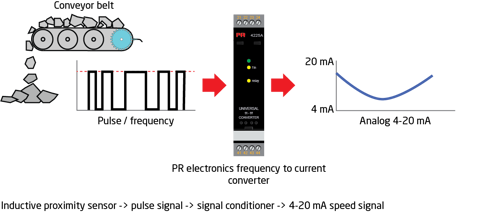
The pulse frequency can be used to calculate:
conveyor speed (meters/min.)
material feed rate
machine synchronization
However, if the pulses are accumulated over time, the same encoder can also determine:
distance traveled
produced cable length
product position
The distinction is important: Speed describes how fast something is moving right now. Distance describes how far it has moved over time.
Both values originate from the same sensor, but they require different signal processing strategies.
Flow versus volume
The same principle applies to flow applications.
A pulse-output flow meter generates pulses proportional to the movement of liquid through a pipe.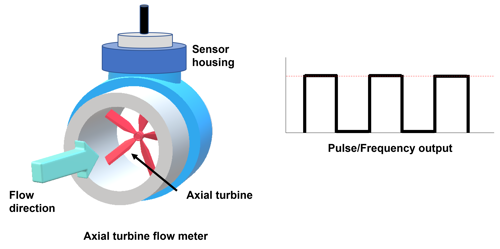
The pulse frequency can be used to determine:
flow rate (liters/min.)
flow rate (m³/h)
flow rate (gallons/min.)
If the pulses are accumulated instead, they can be used to determine:
total water consumption
batch volume
tank filling volume
In this case: flow describes the current rate of movement. Volume describes the total quantity that has passed through the system.
Although both values originate from the same flow meter, they are fundamentally different measurements.
Why the distinction matters
Understanding the difference between rate-based measurements and accumulated measurements is crucial when selecting instrumentation type.
Applications asking:
"What is the current RPM?"
"What is the current conveyor speed?"
"What is the current flow rate?"
require continuous frequency measurement.
Applications asking:
"How many meters have been produced?"
"How much water has been consumed?"
“How many pulses have occurred since reset?"
require pulse accumulation and totalization.
Selecting the wrong measurement principle can result in a system that delivers the correct instantaneous value but cannot provide the accumulated value required by the process.
When accurate totalization is required, relying on a PLC or SCADA system to integrate sampled rate signals can lead to measurement errors. For example, estimating volume by periodically sampling a flow signal is often less accurate than using dedicated totalization functionality.
Application example: Monitoring agitator speed in pharmaceutical production
Rotational speed is a critical process parameter in pharmaceutical production.
Mixing speed directly influences:
product quality
batch consistency
dissolution rates
process repeatability
Many mixers use inductive sensors, Hall-effect sensors or encoders that generate pulse signals proportional to shaft rotation.
The challenge is that control systems typically require standard process signals rather than raw frequency information.
By converting frequency into engineering units such as RPM and generating a standard output signal, i.e. 4-20mA, operators gain continuous visibility into the process while maintaining compatibility with existing control systems.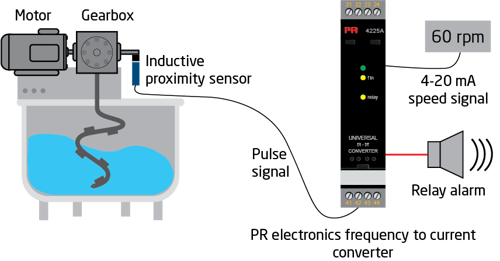
Application example: Integrating pulse-output flow meters
Many flow meters provide pulse outputs rather than analog process signals.
Examples include:
turbine flow meters
water meters
paddle wheel flow meters
dosing systems
The pulse frequency is proportional to the flow rate. As flow increases, the pulse frequency increases.
For machine builders and OEMs, this creates a challenge because customers may select different flow meter technologies.
One installation may use a digital level output flow sensor. Another may use a reed contact water meter. A third may use a PNP pulse output.
Secondly, the pulse represents an arbitrary volume specific to brand and product, thus a need for easy adjustment of ‘one pulse equals X volume’ is useful. Here signal conditioning devices with a pulse division feature are beneficial.
In these application examples, flexible signal conditioning allows these different signals to be converted into a consistent process signal without redesigning the control system.
What are frequency to current converters and what are they used for?Want to learn how pulse and frequency signals can be integrated into industrial control systems? The below article explores the capabilities of PR electronics' multifunctional frequency converters, covering supported signal types, conversion principles, and the analog, digital, and relay output options available for reliable process monitoring and control. |
Why quality signal conditioning is key to accurate process data
Accurate pulse and frequency measurements depend on more than the sensor itself.
In real industrial environments, signal quality can be affected by electrical noise, long cable runs, variable frequency drives (VFDs), motor starters, and switching power supplies.
Without proper signal conditioning, disturbances may cause false pulse detection, unstable measurements, or incorrect calculations of speed, flow, distance, or volume. Galvanic isolation helps eliminate ground loops and potential differences between field devices and the control system. This improves measurement stability while also protecting connected equipment from electrical disturbances.
Good EMC performance is equally important. Pulse signals rely on accurate detection of every transition. Electromagnetic interference can introduce unwanted pulses or mask valid ones, leading to inaccurate process values and nuisance alarms.
Signal filtering provides an additional layer of protection, particularly when working with mechanical contacts or reed-switch-based sensors.
By filtering contact bounce and transient noise, the measurement remains stable without sacrificing response time.
Whether measuring RPM, conveyor speed, flow rate, or totalized volume, reliable process data starts with a clean and stable signal. Effective isolation, EMC immunity, and noise filtering help ensure that the values presented to operators and control systems accurately reflect the real process.
Choosing the right signal conditioning solution
Frequency measurement versus totalization
This distinction becomes particularly important when selecting signal conditioning equipment.
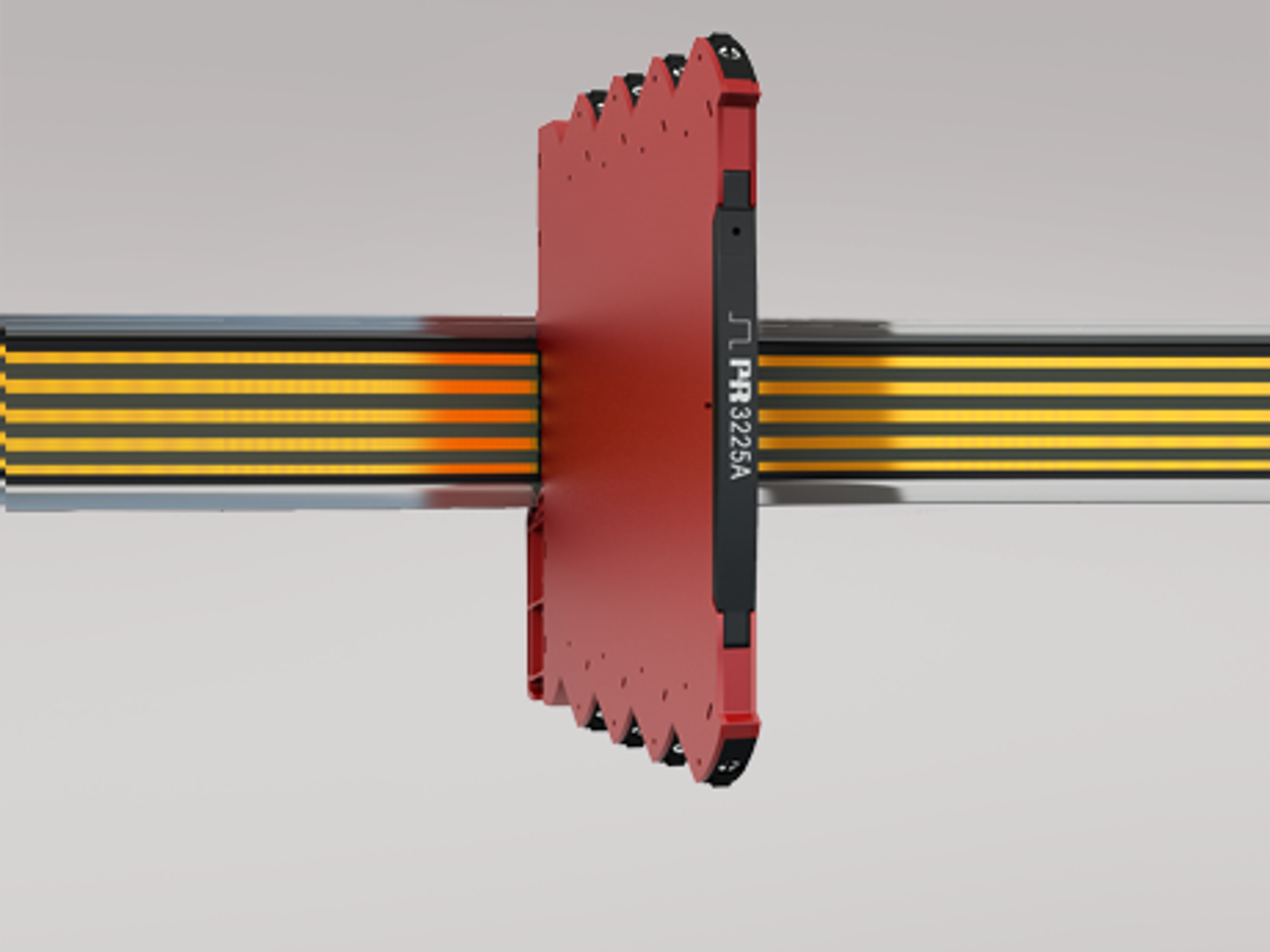
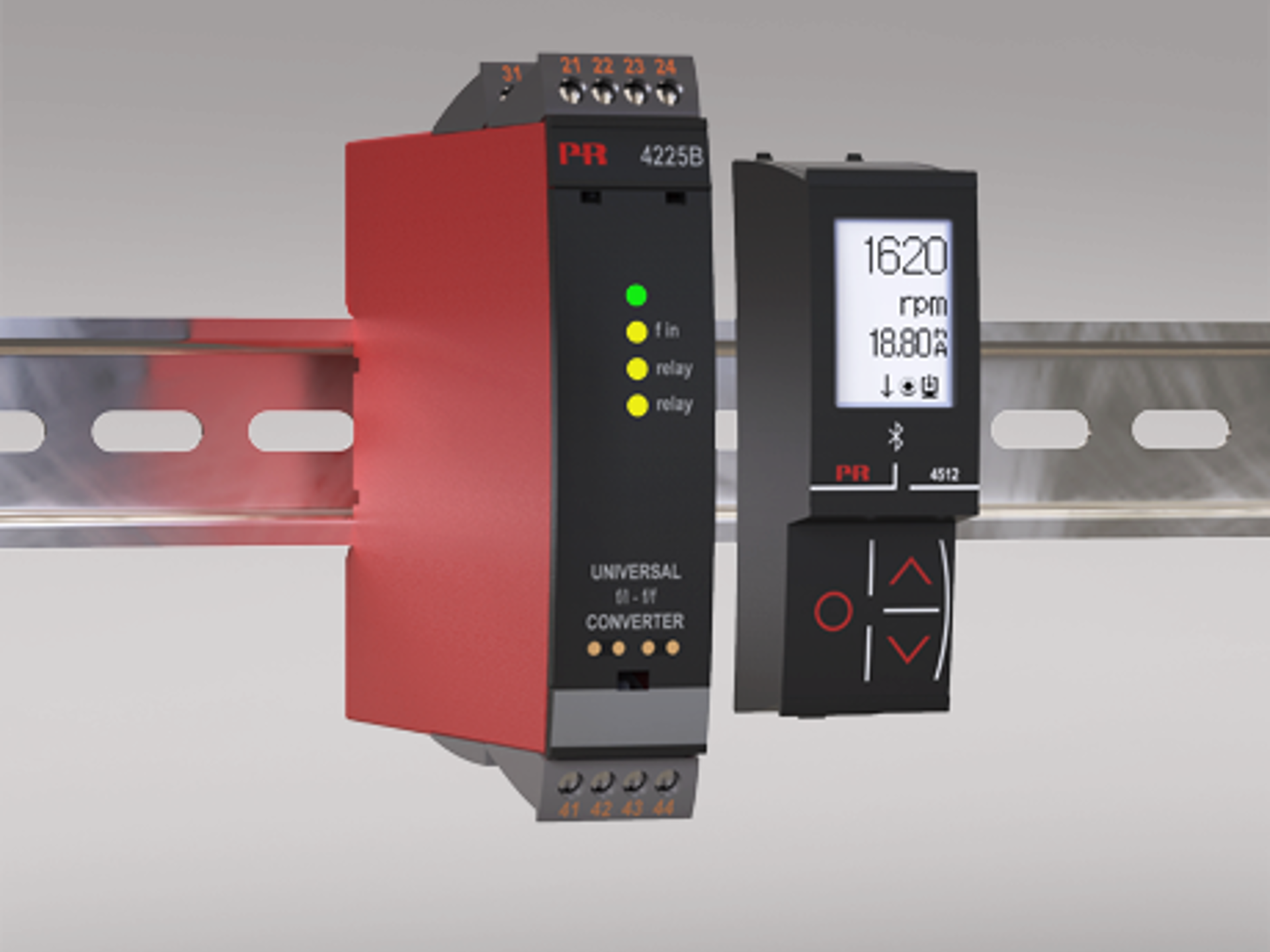
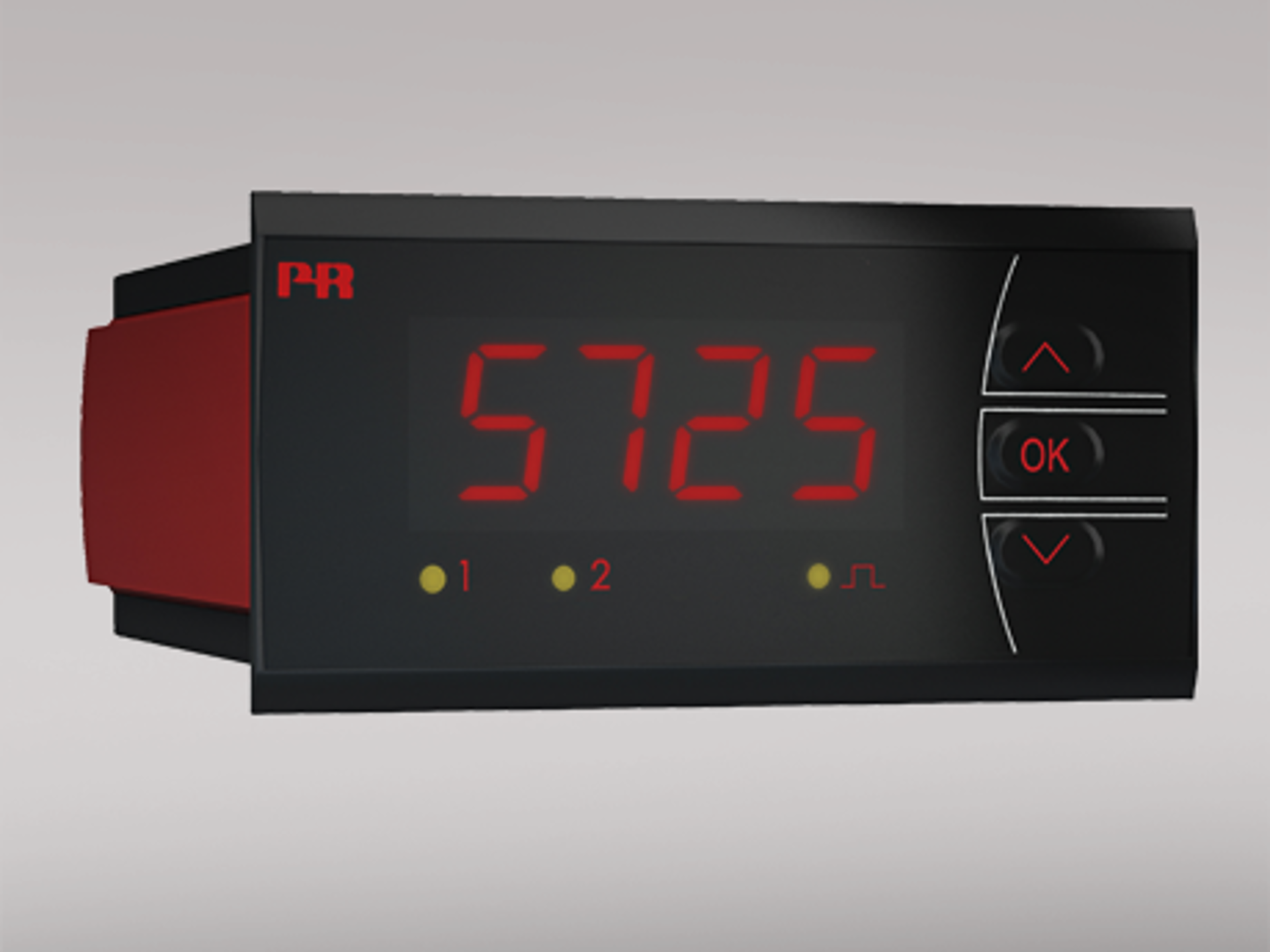
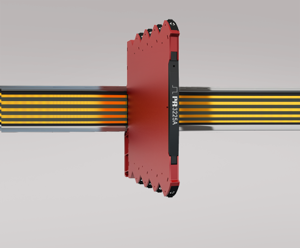
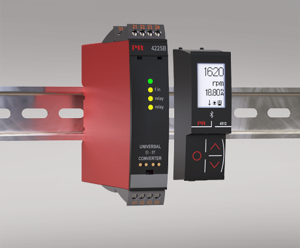
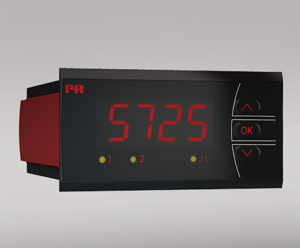
Pulse to analog / frequency signal conversion with frequency converters: PR 3225, PR 4225 and PR 5725
The PR 3225, PR 4225 and PR 5725 are optimized for frequency-based measurements such as:
rotational speed
conveyor speed
flow rate
frequency monitoring
Their purpose is to convert an incoming pulse frequency into:
4-20 mA
0-10 V
frequency outputs
relay signals
display readout of instant value
In other words, they answer the question: "What is happening right now, what is the current status of the signal rate?"
Examples:
current RPM
current belt speed
current flow rate
They are not designed as pulse totalizers and should not be viewed as solutions for accumulated distance, volume, or production counting.
|
|
|
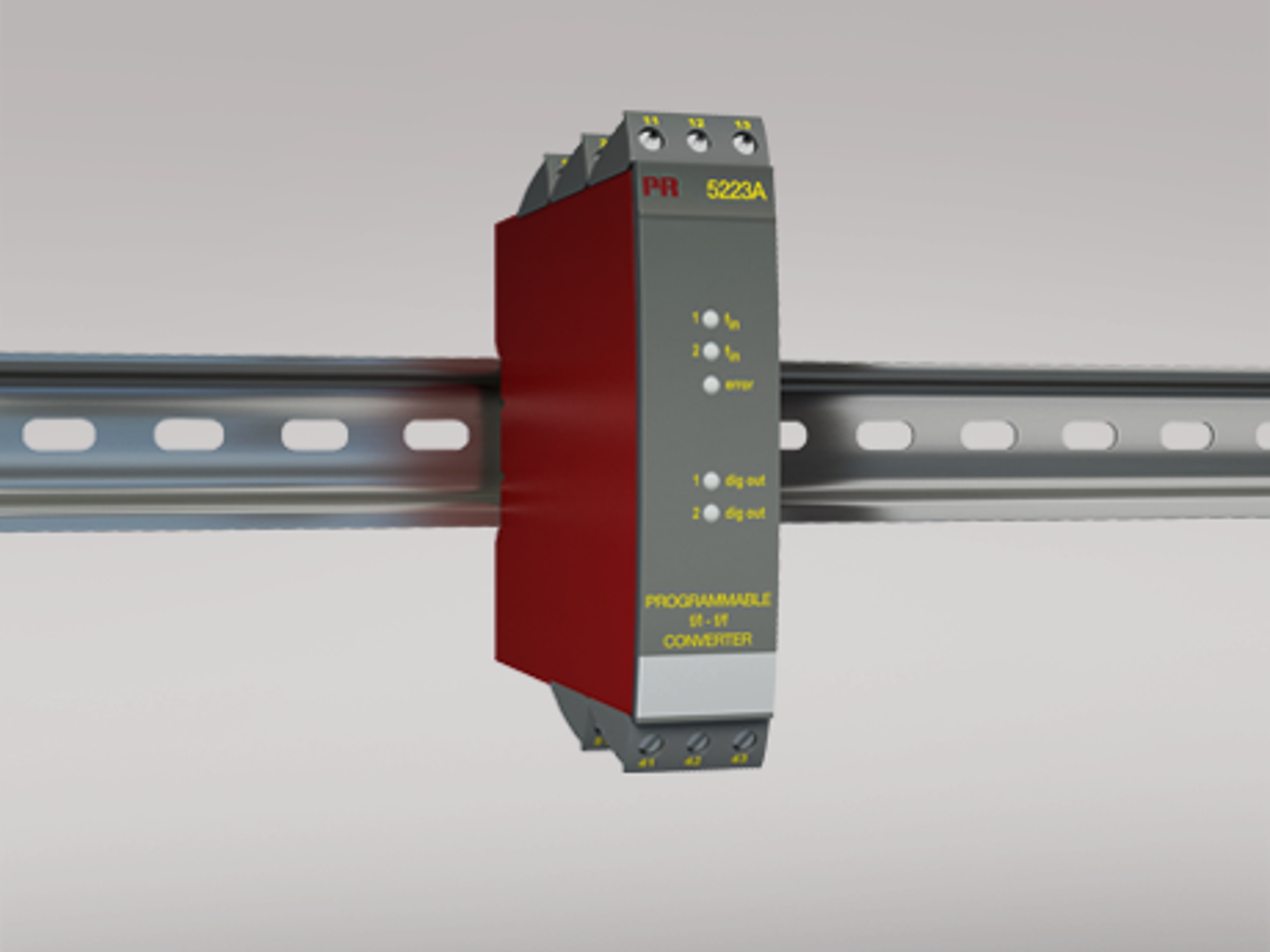
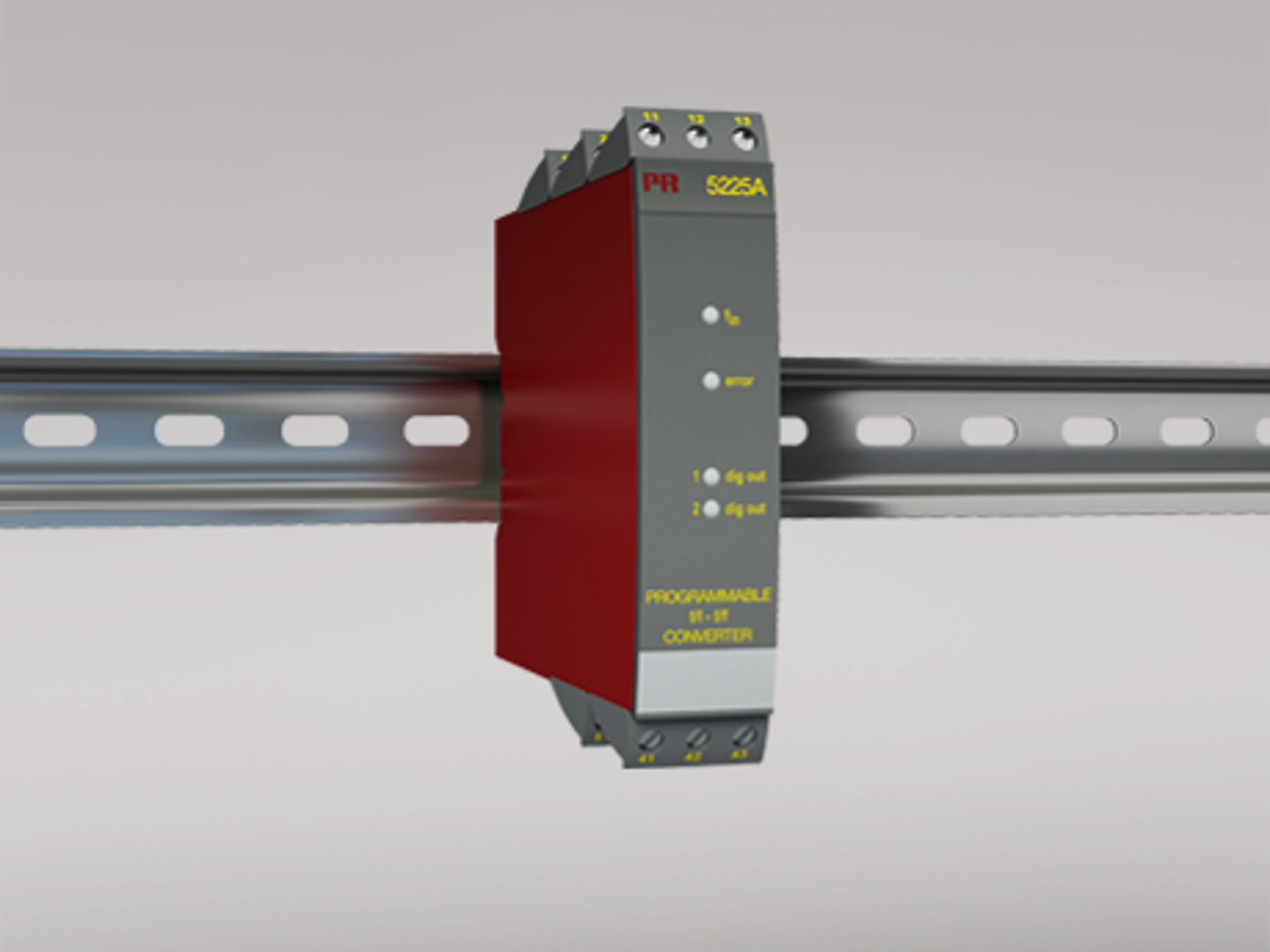
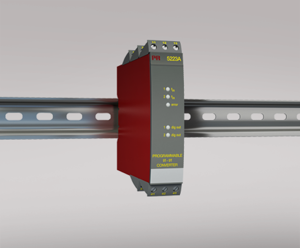
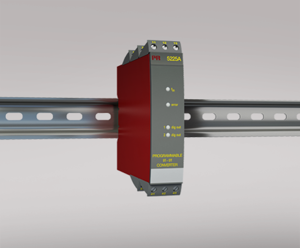
Pulse to pulse / frequency / analog signal conversion with frequency converters: PR 5223 and PR 5225
Some applications require more than instantaneous measurement.
In applications such as:
volume totalization
length measurement
product counting
batch management
production accumulation
the system must count and process pulses over time.
These applications require totalization and mathematical processing rather than simple frequency conversion.
This is where programmable devices such as the PR 5223 and PR 5225 become relevant.
They can be configured to perform application-specific calculations, pulse accumulation, and advanced scaling functions that support both rate-based and accumulated measurements.
|
|
Product application guidelines:
Application | Measurement type | Typical solution |
Mixer RPM | Speed | |
Conveyor speed | Speed | |
Instantaneous flow | Flow rate | |
Produced cable length | Distance | |
Product counting | Totalization | |
Water consumption | Volume | |
Batch volume | Volume | |
Display readout | Flow rate / speed |
From pulse signals to valuable process information
Whether the application involves a mixer, conveyor system, flow meter, encoder, or production line, the underlying challenge remains the same: transforming pulse information into meaningful process data.
The key is understanding whether the application requires an instantaneous value such as speed or flow, or an accumulated value such as distance or volume.
By selecting the appropriate signal processing strategy, engineers can simplify integration, improve measurement accuracy, and create more flexible automation solutions.
Need help selecting the right solution?
Whether your application involves RPM monitoring, conveyor speed, flow measurement, distance tracking, or totalization, PR electronics can help identify the most suitable signal conditioning approach for your application.
Contact our application specialists to discuss your measurement challenge.