

Special devices
Since 1974, PR electronics has built a reputation for providing ingenious solutions for special applications where standard devices fall short. Our range of special devices is a testament to our commitment to solving any signal conditioning challenge, developed in close cooperation with our customers to meet their unique industry standards and needs. This category includes a diverse array of products, from advanced valve controllers and high-precision load cell amplifiers to custom power solutions and ramp generators.
The philosophy behind our special devices category is simple: for every need, there is a device. When a standard product doesn't fit your requirements, our deep engineering expertise allows us to design and deliver a customized or specialized solution. We are more than a supplier; we are a problem-solving partner dedicated to finding the perfect answer to your most difficult signal conditioning problems.
- Analog current and voltage output
- PNP / NPN output, optional relays
- Universal supply

- Concurrent f/I and f/f function
- Analog current and voltage output
- PNP / NPN output, optional relays
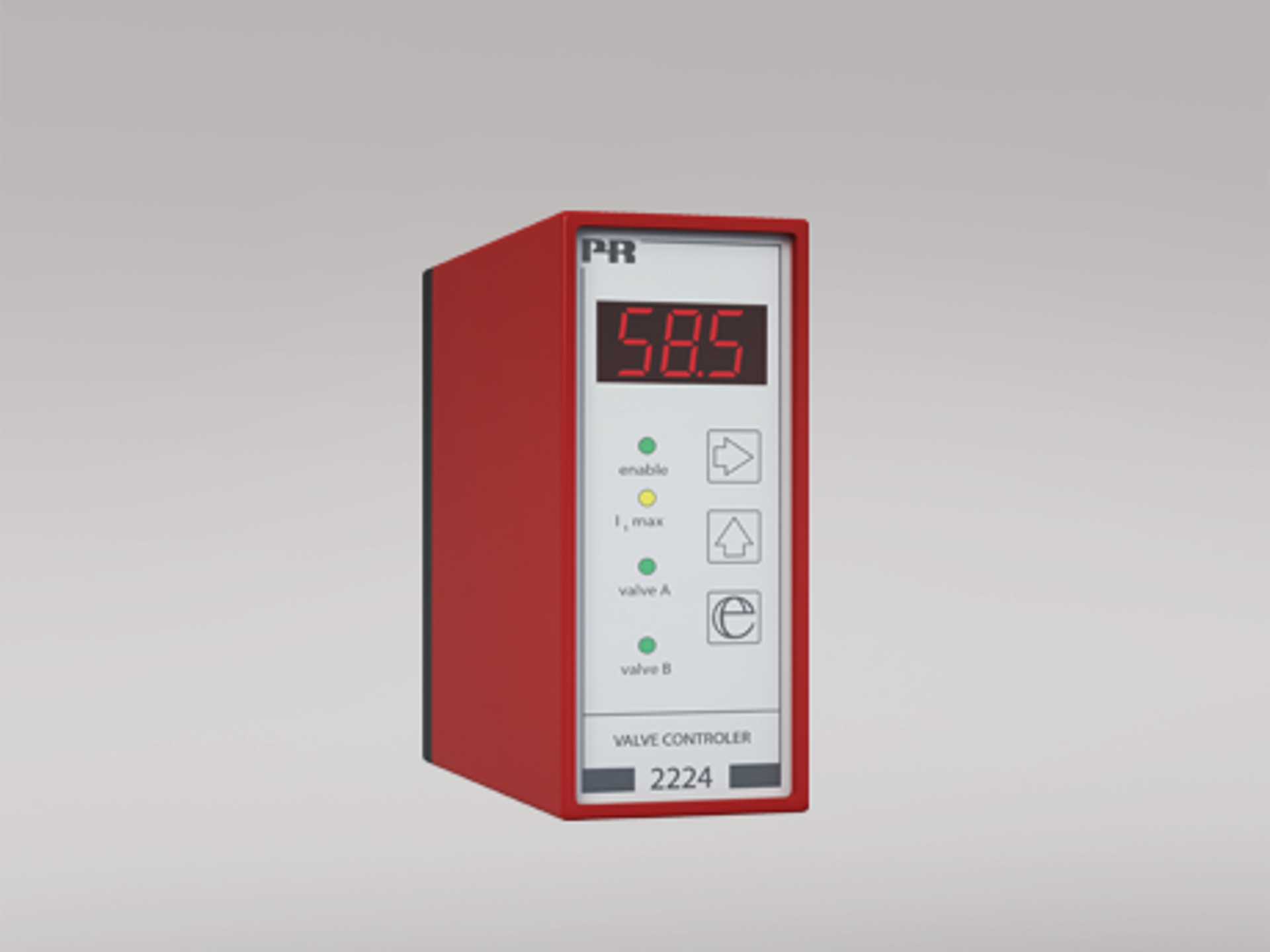
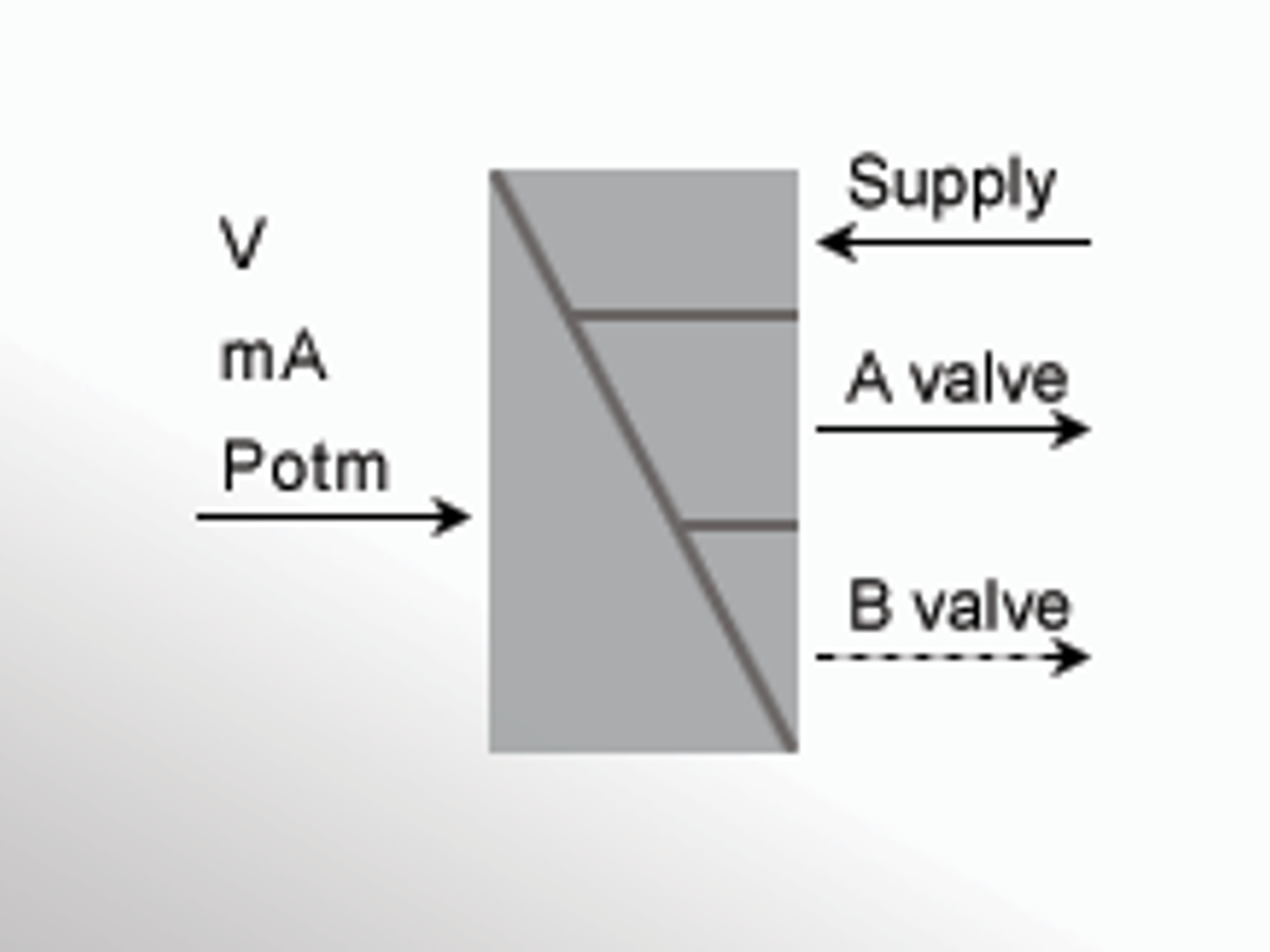
- Front-programmable
- mA, V, and Ω programmable input
- Ramp times, jump values, reversal, chopper frequency, and deadband
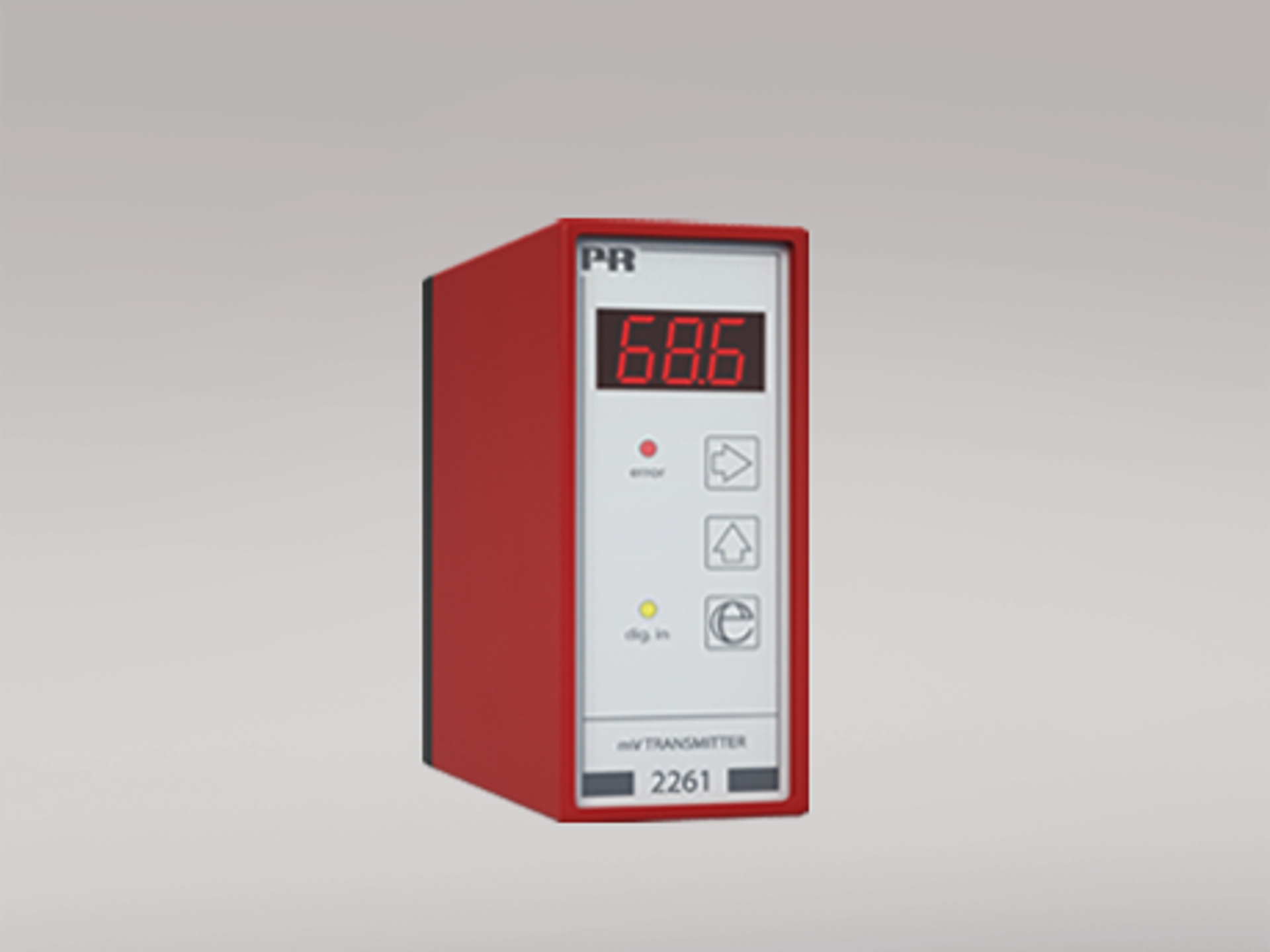
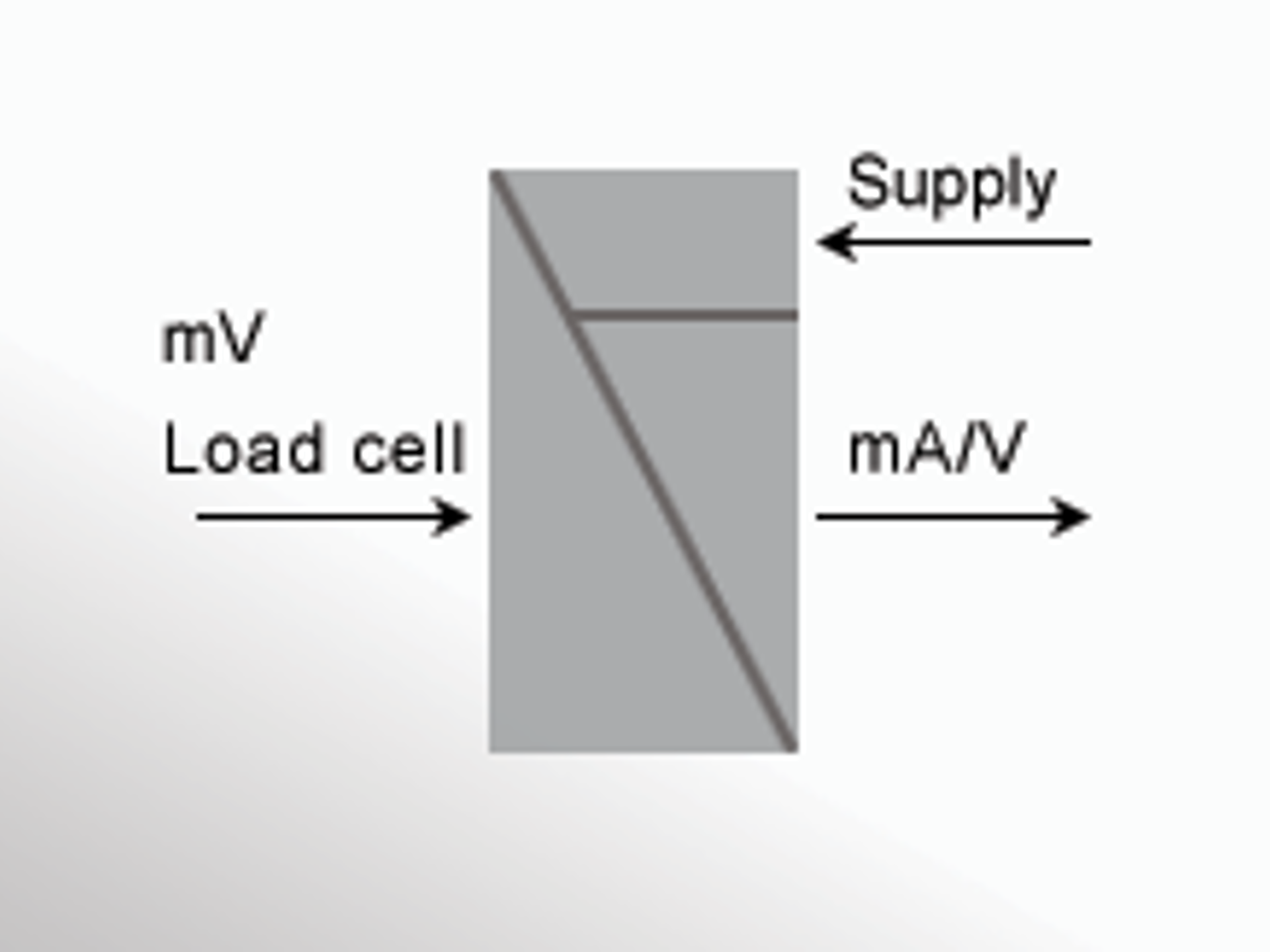
- Load cell amplifier
- mV to current / voltage conversion
- Front-programmable / LED display
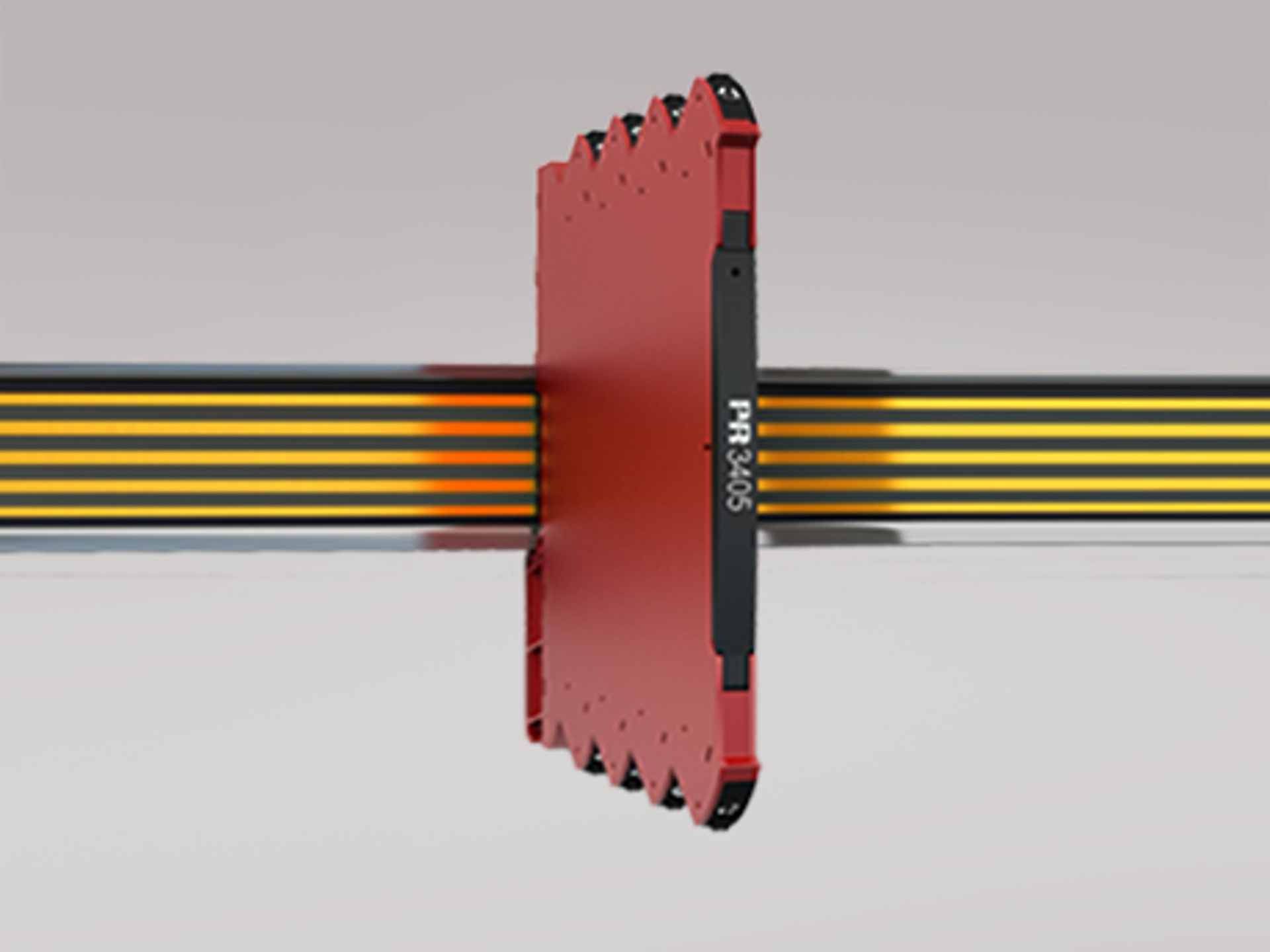
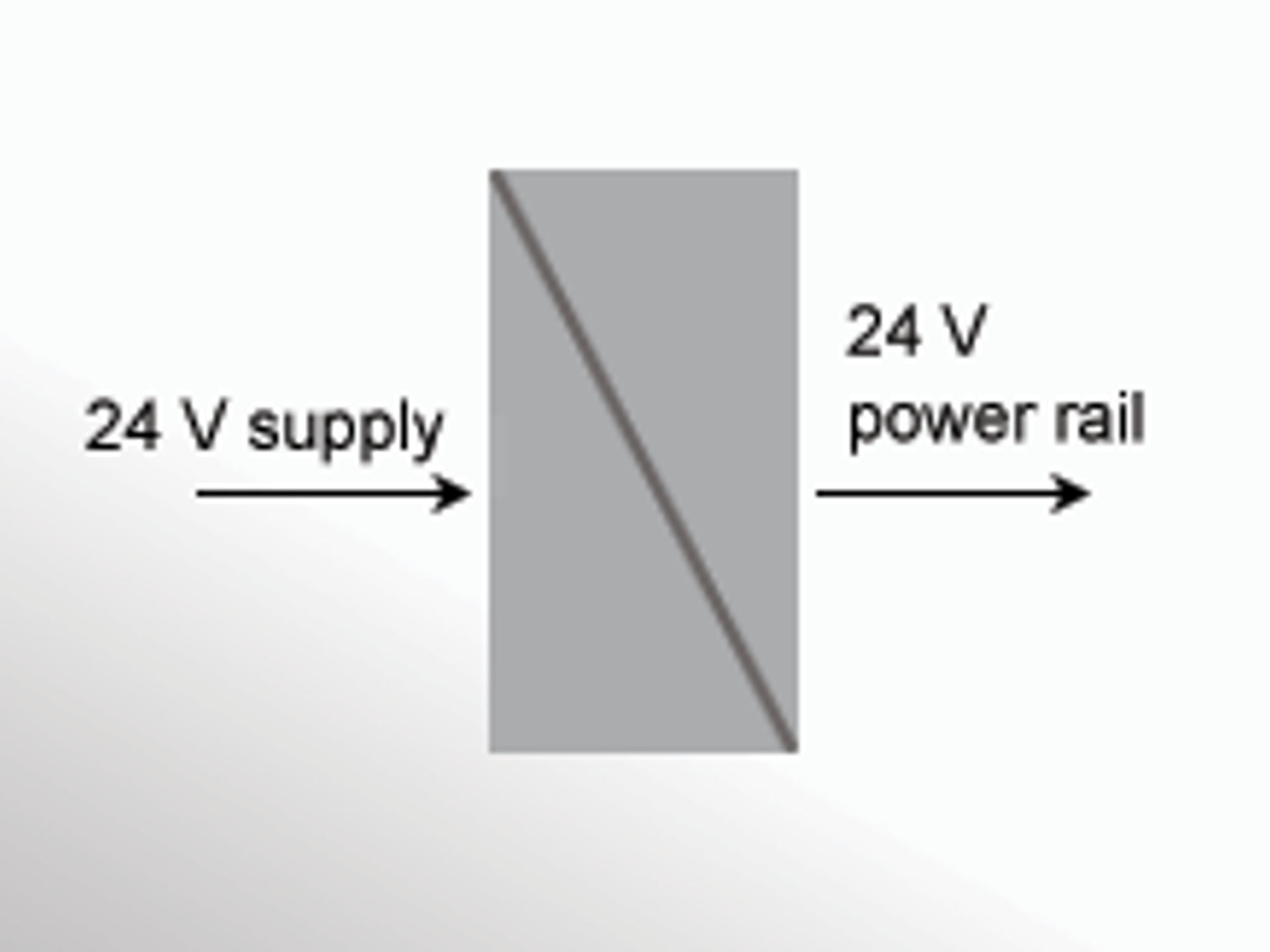
- Slimline housing of 6.1 mm
- Supplies DIN rail from supply terminals
- Up to 100 units can be powered
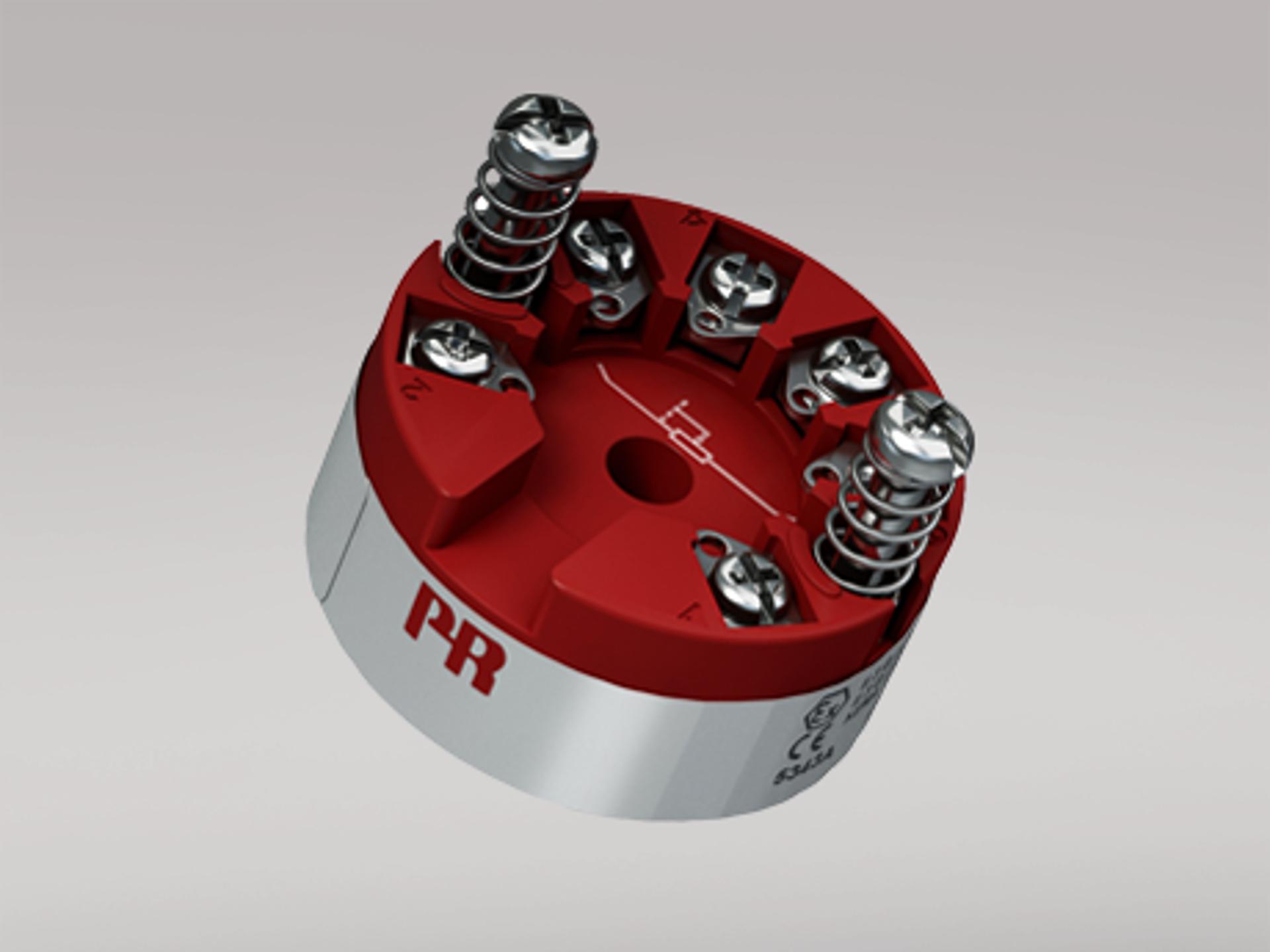
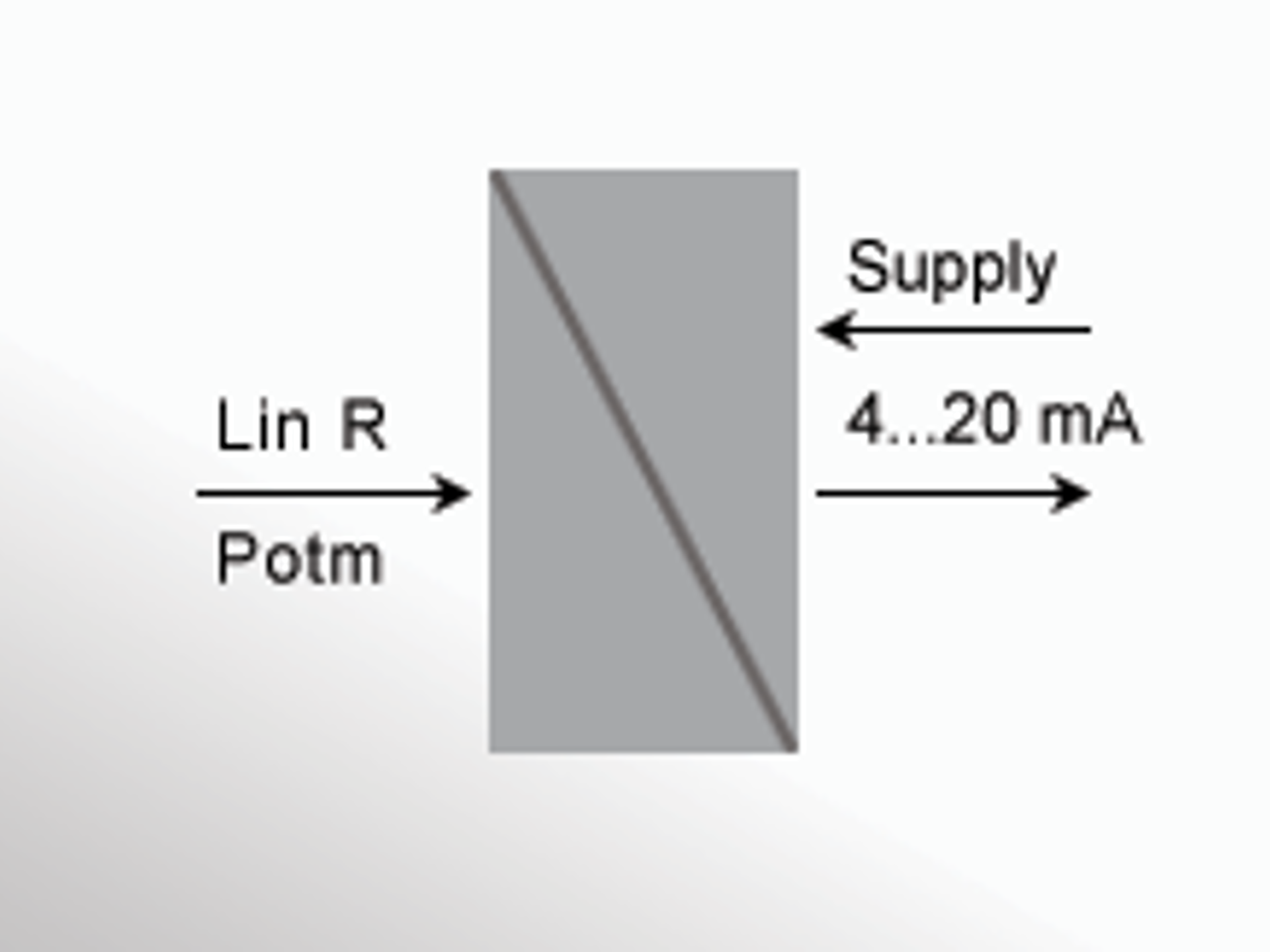
- Potentiometer or Ohmic input
- High measurement accuracy
- Unique process calibration function
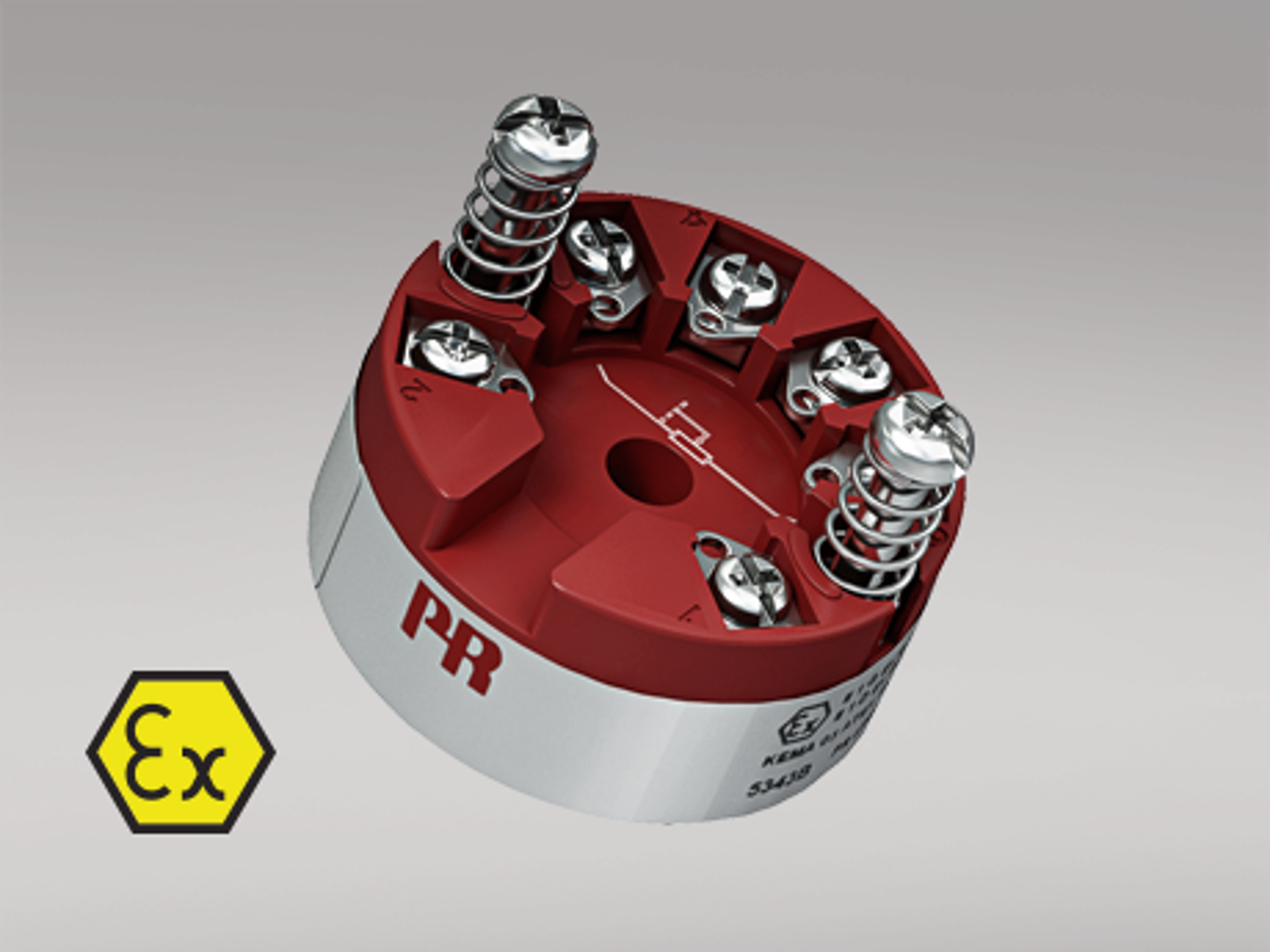
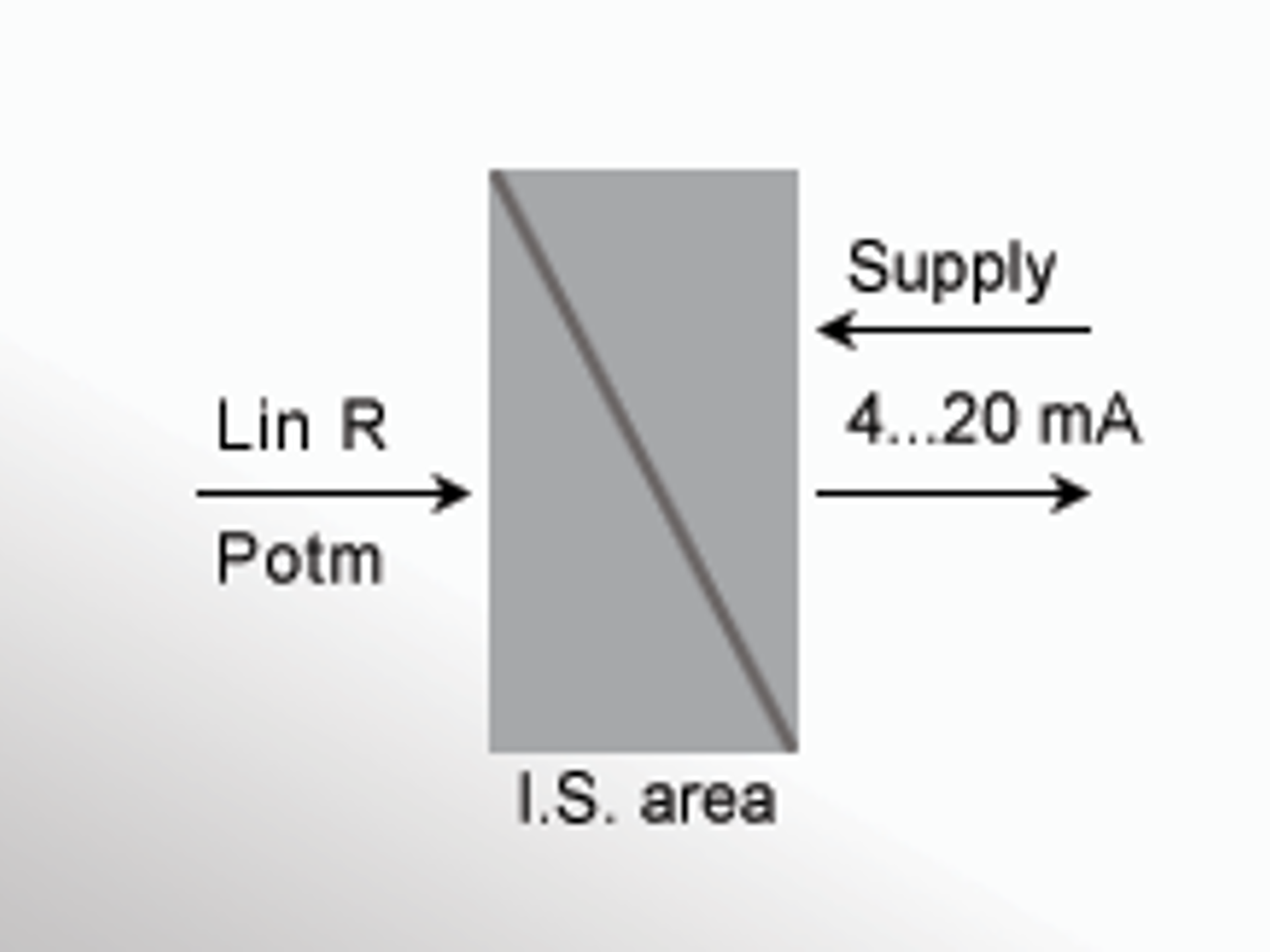
- Potentiometer or Ohmic input
- High measurement accuracy
- Unique process calibration function
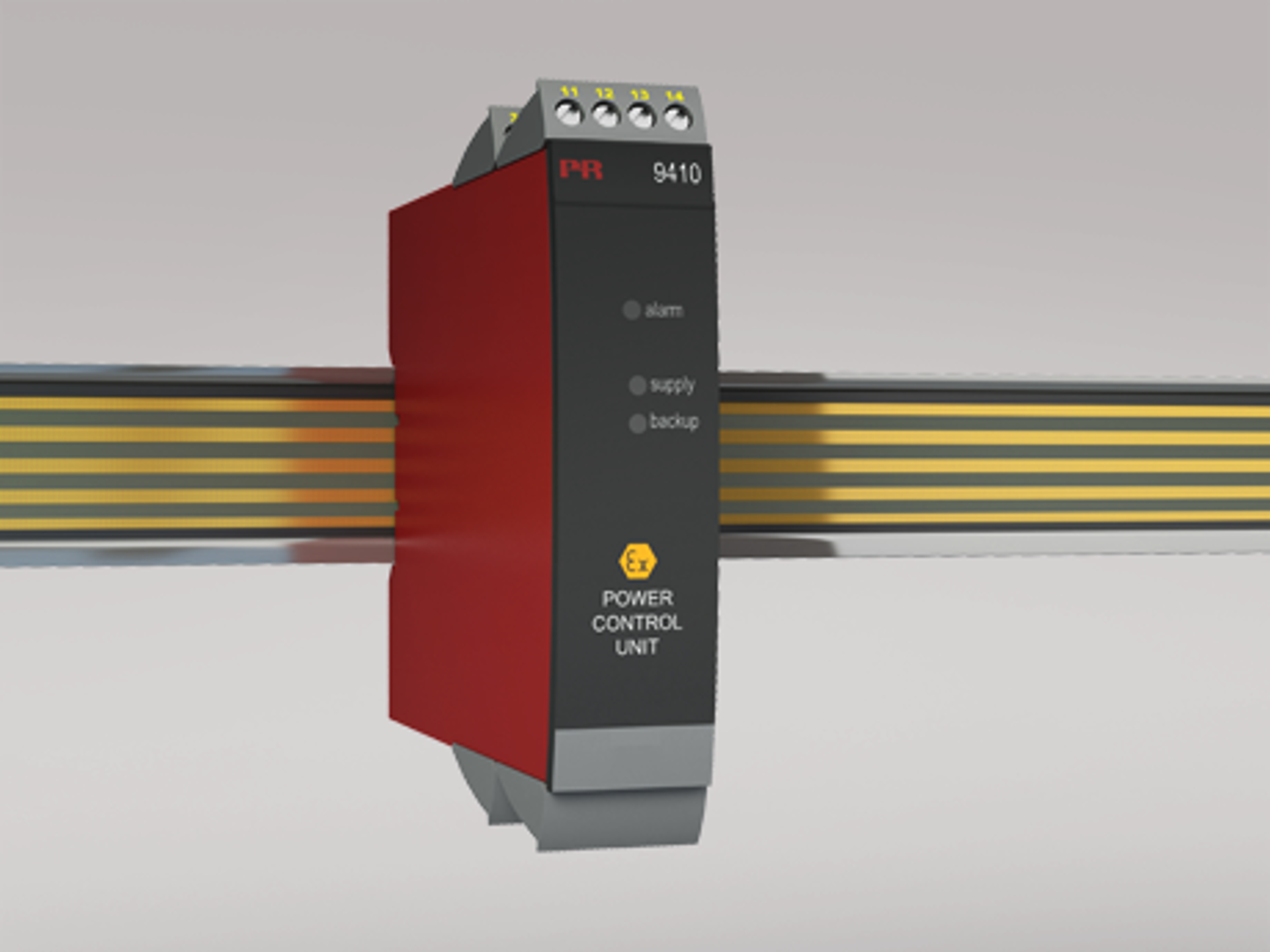
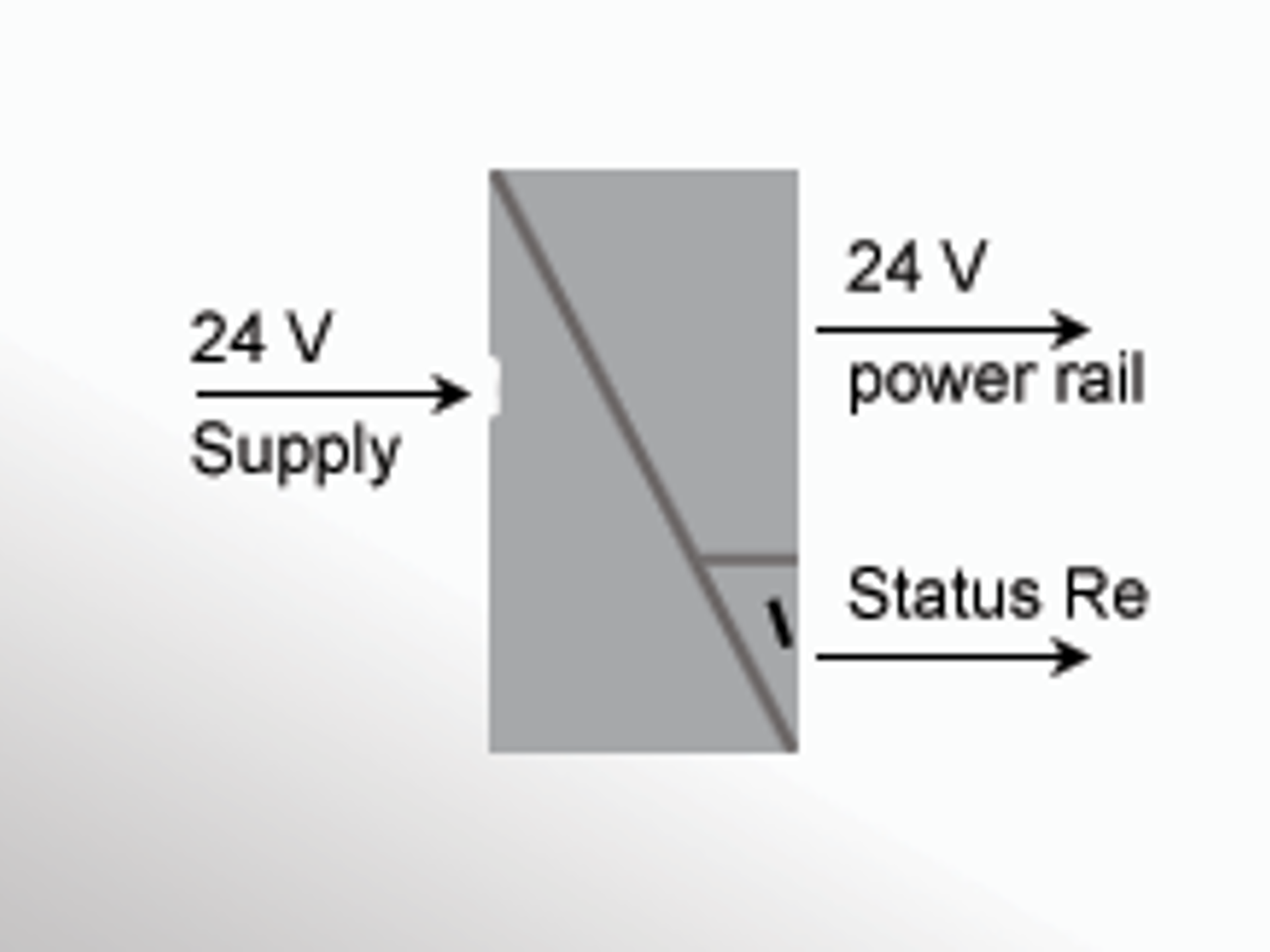
- Distributes supply voltage to the power rail
- Optional connection of backup supply
- Approved for installation in I.S / Ex zone 2 / Div. 2
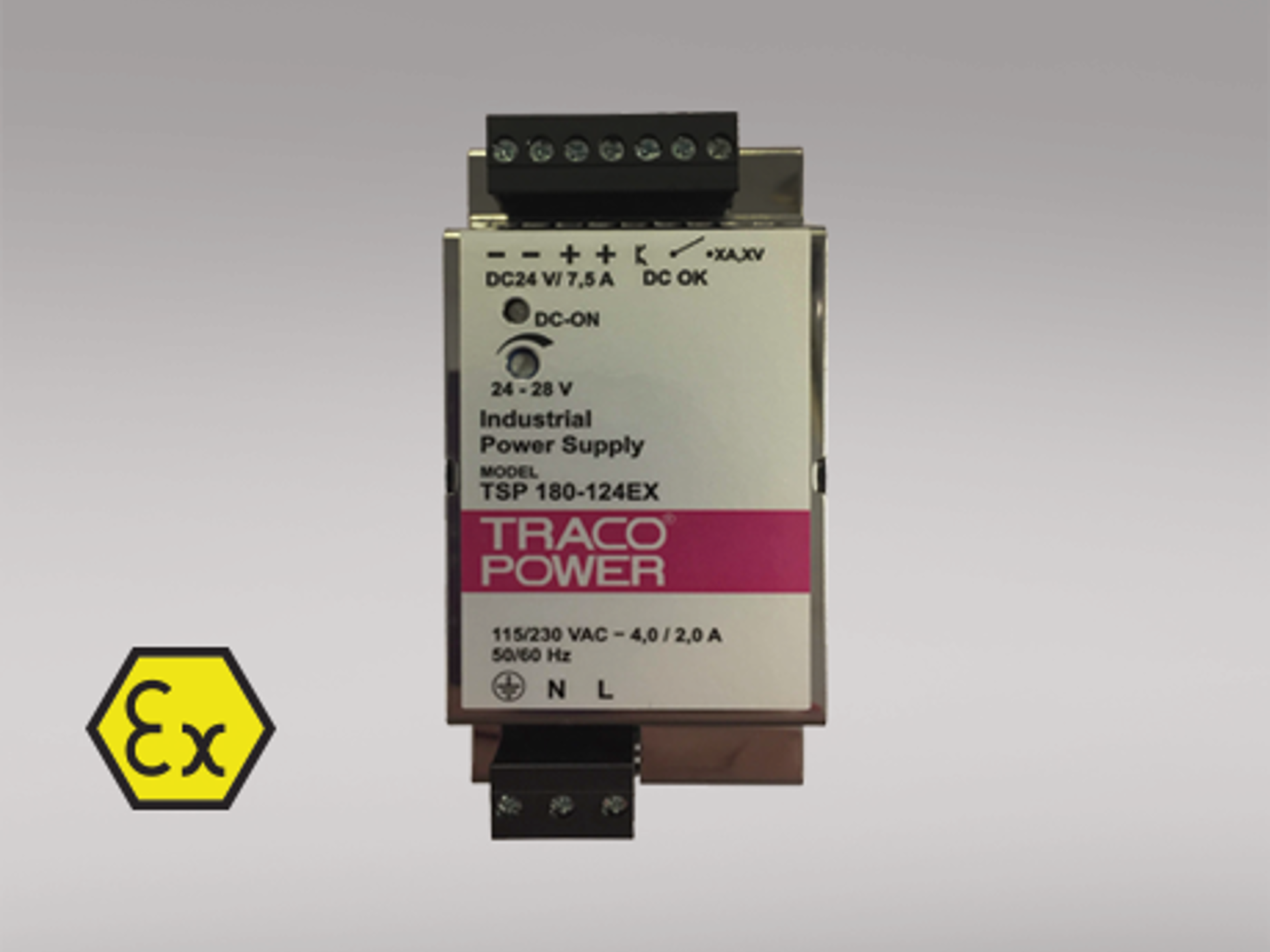
- Supply voltage 100...132 VAC or 187...264 VAC
- Approved for installation in I.S. / Ex zone 2 / Div. 2
- Active signal output
Precision control for valves and actuators
For applications requiring precise control over industrial valves and actuators, the 2224 Valve Controller offers a highly specialized and powerful solution. This front-programmable device accepts mA, V, and Ω inputs to provide exacting control over flow and pressure. It features a host of advanced control parameters, including programmable ramp times, jump values, reversal, chopper frequency, and deadband adjustment. This level of detailed control allows you to fine-tune your process, optimizing performance and ensuring the stability of your system.
High-accuracy amplification for load cells and mV signals
Measuring the very small millivolt signals generated by load cells and strain gauges presents a significant challenge in many industrial applications. The 2261 mV Transmitter is specifically designed as a load cell amplifier to meet this challenge, converting these low-level signals into stable, standard, and highly accurate current or voltage signals. Featuring a front-programmable interface and an integrated LED display, the 2261 makes setup, calibration, and monitoring straightforward, ensuring reliable and precise measurements for weighing and force-measurement applications.
Specialized frequency conversion and control
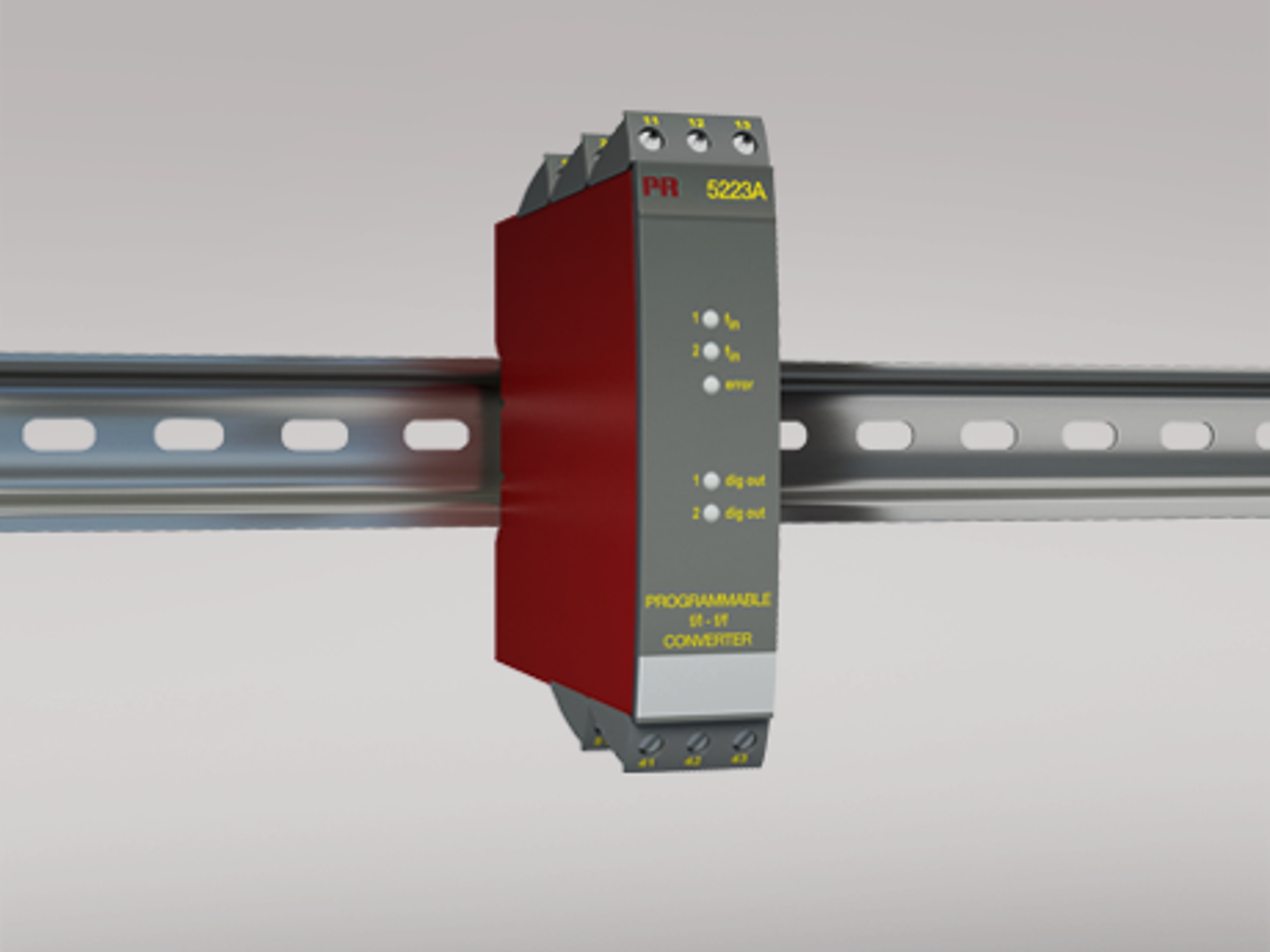
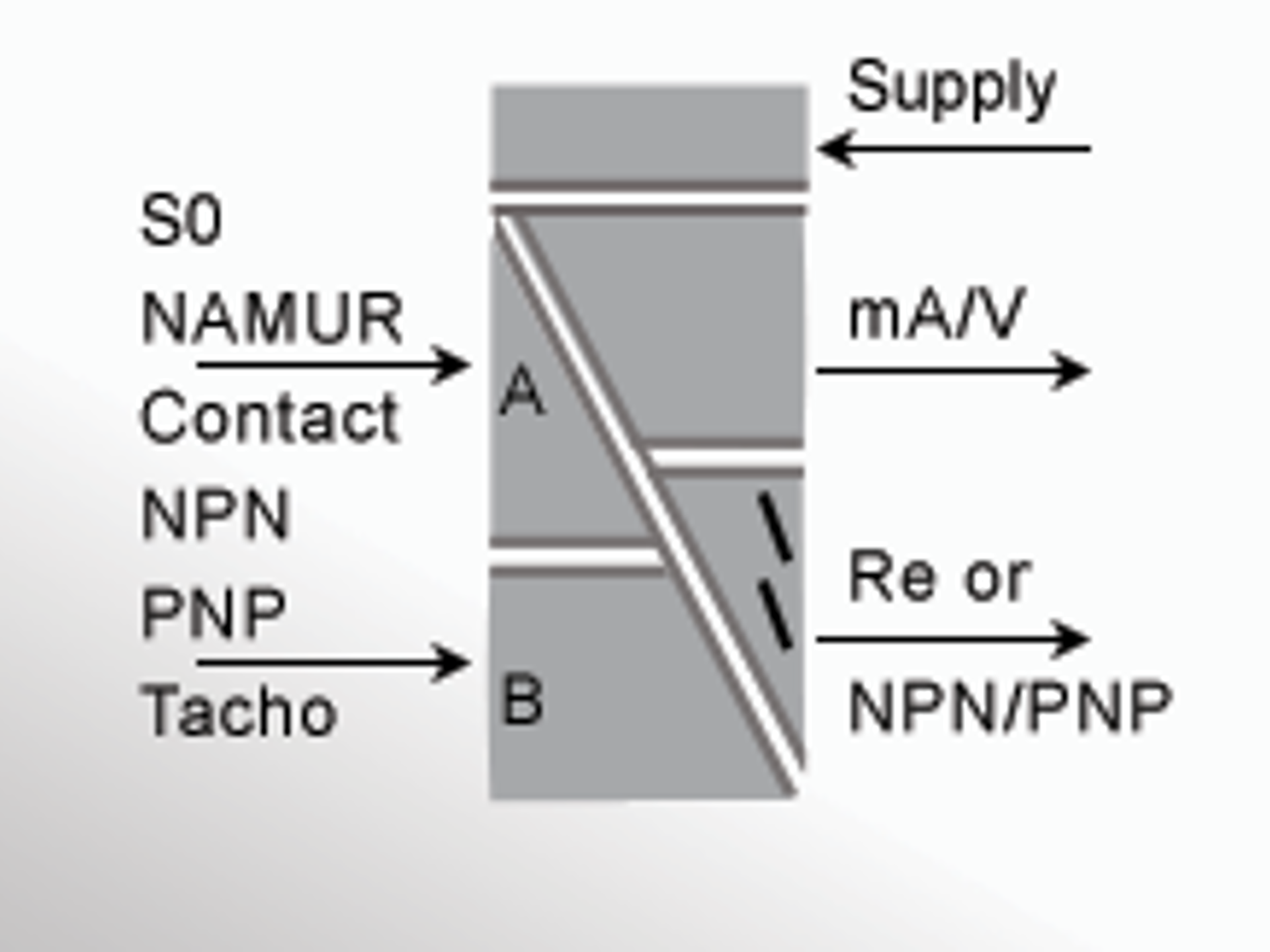
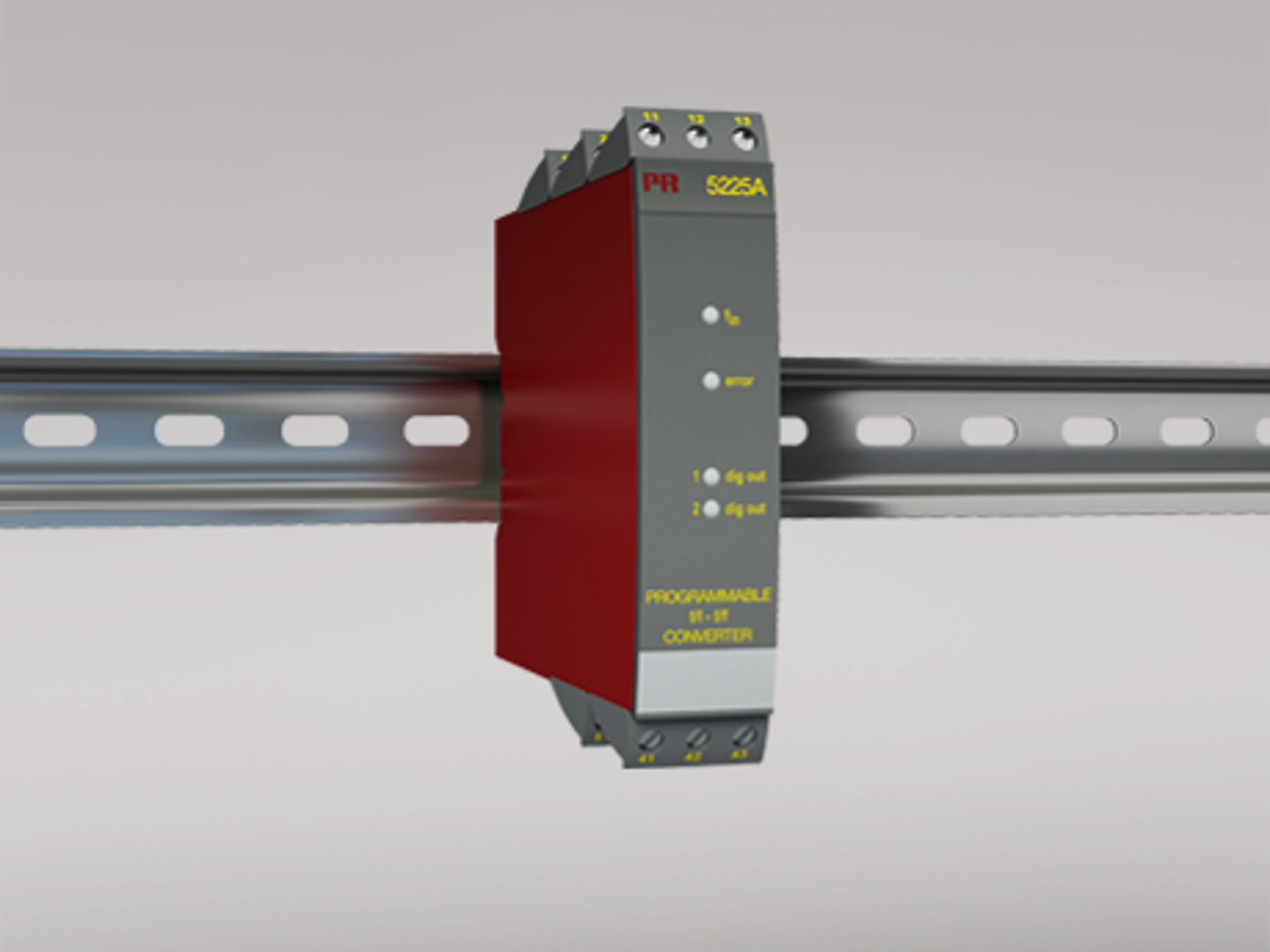
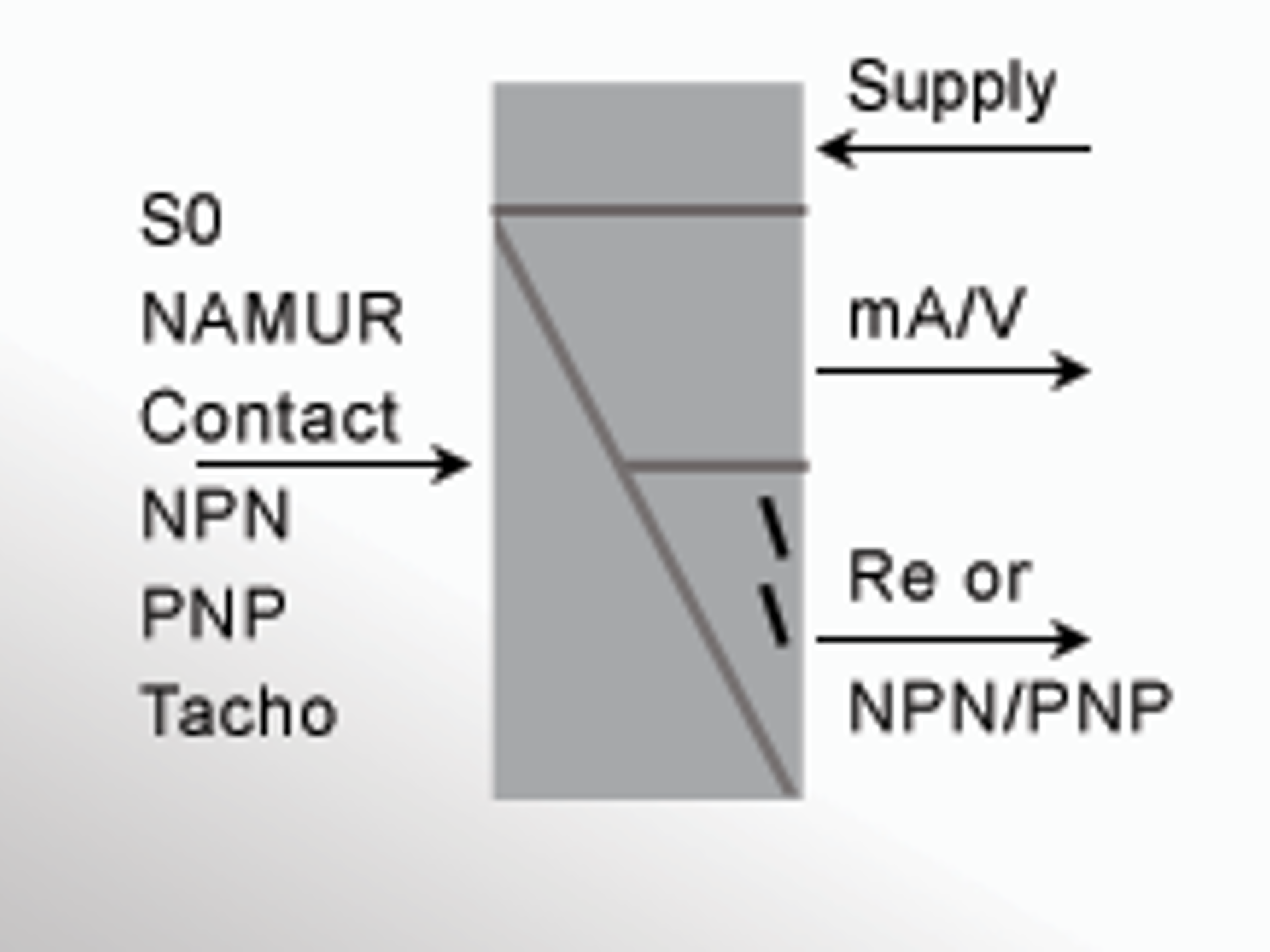
Our special devices category includes advanced frequency converters for complex control applications. The 5223A and 5225A Programmable f/I-f/f Converters are designed to convert frequency inputs into both analog (f/I) and frequency (f/f) outputs. The 5225A offers a concurrent function, providing both output types simultaneously for maximum flexibility. With features like a universal power supply and PNP/NPN outputs, these converters are powerful tools for applications involving speed monitoring, counting, and motor control.
Reliable power and system infrastructure
A stable and reliable power infrastructure is the backbone of any control system. Our range of special devices includes products designed to ensure your system's power is clean and dependable. The 9410 Power Control Unit distributes supply voltage, allows for the connection of a backup supply, and is approved for installation in Ex zone 2 / Div. 2 hazardous areas. For high-density installations, the 3405 Power Connector Unit simplifies wiring by powering up to 100 slimline devices from a single power source, ensuring a neat and reliable setup.
Custom solutions and decades of expertise
Our long history of customer collaboration is the driving force behind the innovation in our special devices category. These products are the result of partnerships with customers to solve real-world problems. We encourage you to bring us your most difficult application challenges, and our team of experts will work with you to design a customized solution. This commitment to problem-solving is backed by our "Install & Forget®" promise and a 5-year warranty, ensuring that even our most specialized products deliver unmatched reliability.
Your partner for every signal conditioning challenge
PR electronics is your partner for every signal conditioning challenge, no matter how unique. Our special devices range, from sophisticated valve controllers to custom-designed power solutions, demonstrates our commitment to going beyond the standard. No challenge is too niche for our team of experts.
Explore our special devices below. If you need assistance in finding the device you need or require a customized option, please do not hesitate to contact us.
What is the PR 2224 valve controller, and what types of valves can it control?
The PR 2224 is a front-programmable valve controller designed for single-coil or double-coil hydraulic and pneumatic proportional valves. It accepts current (0-20/4-20 mA), voltage (0-10 V/±10 V), and potentiometer/joystick inputs, and provides a PWM (pulse-width modulated) output with programmable chopper frequency from 8 to 400 Hz. The output can deliver up to 3,000 mA mean current with 7 A peak. Features include programmable ramp times (0-10 seconds), jump values for valve breakaway, reversal control, and adjustable deadband (0-99.9%), making it suitable for precise proportional valve control in mobile hydraulics and industrial automation.
What is the PR 2261 mV transmitter, and how is it used as a load cell amplifier?
The PR 2261 converts low-level millivolt signals from load cells and strain gauge bridges into standard current or voltage outputs (4-20 mA or 0-10 V). It features a 3-digit LED display showing the measured value as a percentage, and is front-programmable with three pushbuttons. The device provides excitation voltage for the load cell bridge and includes auto-zero and tare functions. Typical applications include weighing systems, force measurement, torque monitoring, and other strain gauge-based measurements where the millivolt-level bridge output must be conditioned for transmission to a PLC or DCS.
What are the PR 5223A and PR 5225A frequency converters used for?
The PR 5223A converts frequency/pulse inputs to analog current/voltage outputs with concurrent PNP/NPN transistor output and optional relay outputs. The PR 5225A adds concurrent frequency-to-current and frequency-to-frequency conversion capability, making it suitable for applications requiring simultaneous analog and pulse outputs from a single frequency source. Both devices accept NAMUR, NPN, PNP, TTL, Tacho, and S0 inputs. Universal AC/DC supply is standard on the 5223, whilst the 5225 utilises a 24VDC supply. Applications include flow totalization, speed monitoring, production counting, and interfacing between pulse-based instruments and analog control systems.
What is the PR 5343 2-wire level transmitter?
The PR 5343A and 5343B are 2-wire loop-powered level transmitters that convert potentiometer or ohmic resistance inputs to a 4-20 mA output signal. They feature a unique process calibration function that allows zero and span to be set by physically positioning the sensor at the minimum and maximum levels, rather than entering numerical values. This greatly simplifies commissioning of level measurement systems using resistive float sensors or potentiometric level probes. The 2-wire loop-powered design requires only two wires back to the control system.
What is the PR 3405 Power Connector Unit?
The PR 3405 is a slimline 6.1 mm DIN-rail device that distributes supply voltage from terminal connections to the DIN rail power bus, powering up to 100 slimline 3000-series devices from a single set of supply terminals. Instead of wiring power individually to each 6.1 mm isolator or converter, the 3405 feeds power through the DIN rail, dramatically reducing wiring time and terminal count in high-density installations. One PR 3405 can supply approximately 163 slimline units on a meter of DIN rail.
How does the PR 2224 valve controller prevent valve sticking?
The PR 2224 uses a pulsating (dithering) current output — the PWM chopper frequency is programmable from 8 to 400 Hz in 1 Hz steps. This superimposed oscillation keeps the valve spool in constant micro-motion, preventing it from settling and sticking due to silt, contamination, or static friction (stiction) in the valve bore. The dither amplitude is inherent in the PWM waveform and does not affect the mean valve position. This is a critical feature for proportional valve applications in hydraulic systems where valves may remain at a fixed position for extended periods.
What ramp functionality does the PR 2224 provide for valve control?
The PR 2224 features programmable ramp times from 0 to 10.0 seconds for both opening and closing. The ramp function limits the rate of change of the valve output, providing linear soft acceleration and deceleration for hydraulic and pneumatic actuators. Additionally, a jump value can be set to overcome the valve's initial breakaway force — the output jumps to a minimum current level before the ramp begins, ensuring the valve starts moving immediately rather than stalling at low drive levels. Reversal control manages the transition between opening and closing directions.
What password protection and security features do PR electronics special devices offer?
The PR 2224 valve controller features password-protected parameters to prevent unauthorized changes to critical settings such as ramp times, deadband, chopper frequency, and input/output configuration. The password must be entered via the front pushbuttons before any parameter can be modified. This prevents accidental or intentional misconfiguration in the field, which is particularly important for valve control applications where incorrect settings could cause equipment damage, process upsets, or safety hazards.