


Water Supply and Wastewater
Reliable signal solutions for Water Supply and Wastewater Treatment
More efficient water control
In the water supply and wastewater sector, our products are known for being reliable, precise, and long-lasting, made to suit the tough demands of this industry.
Our products are designed to serve a wide range of applications. Whether it involves monitoring critical processes or managing intricate systems, our solutions are engineered to deliver optimal performance across various environments.
By integrating PR electronics' advanced technology, organisations in the water supply and wastewater treatment sector can enhance operational efficiency, improve safety, and reduce costs. Our dedication to quality and precision engineering establishes us as a reliable partner in addressing the industry's challenges.
Find out where our products are used in your applications..
Signal Conditioning in Wastewater Treatment
See where and how PR devices can be used in a wastewater treatment plant.
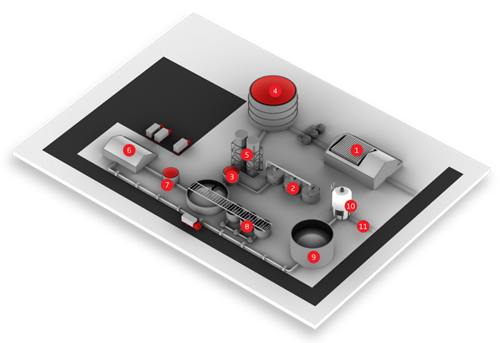
1. Reverse osmosis - isolation / signal splitting |
|
|
2. Multimedia filter - isolation / conversion |
|
|
3. Clarified water storage tank - level alarms |
|
|
4. Soft water tank - galvanic isolation |
|
|
5. WAC DC softeners - linearization |
|
|
6. Filter press building - noise isolation |
|
|
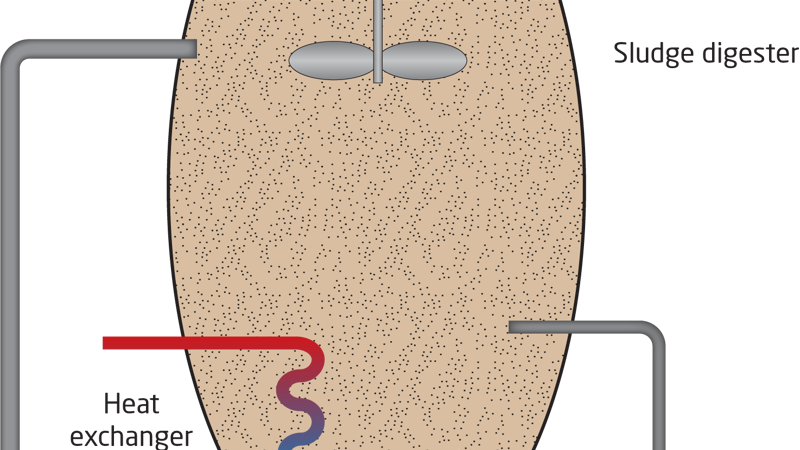
7. Sludge holding tank - level measurement |
|
|
8. Chemical softening system - level measurement |
|
|
9. Water recycle tank - level measurement |
|
|
10. Forced draft degasification - level measurement |
|
|
11. Influent line - flow measurement |
|
|
Examples - devices for water and wastewater industry |
The above are merely examples - please contact us if you require assistance in finding the right device. |
Explore our case stories and highlighted application examples for water and wastewater:
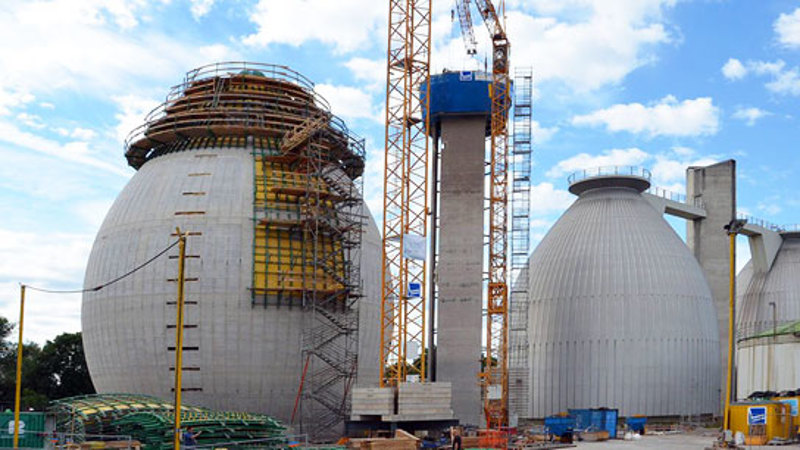
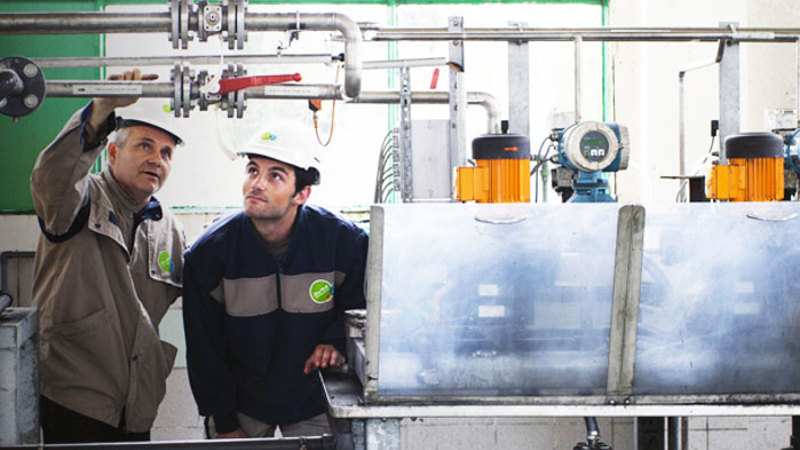
Examples - devices for water and wastewater industry
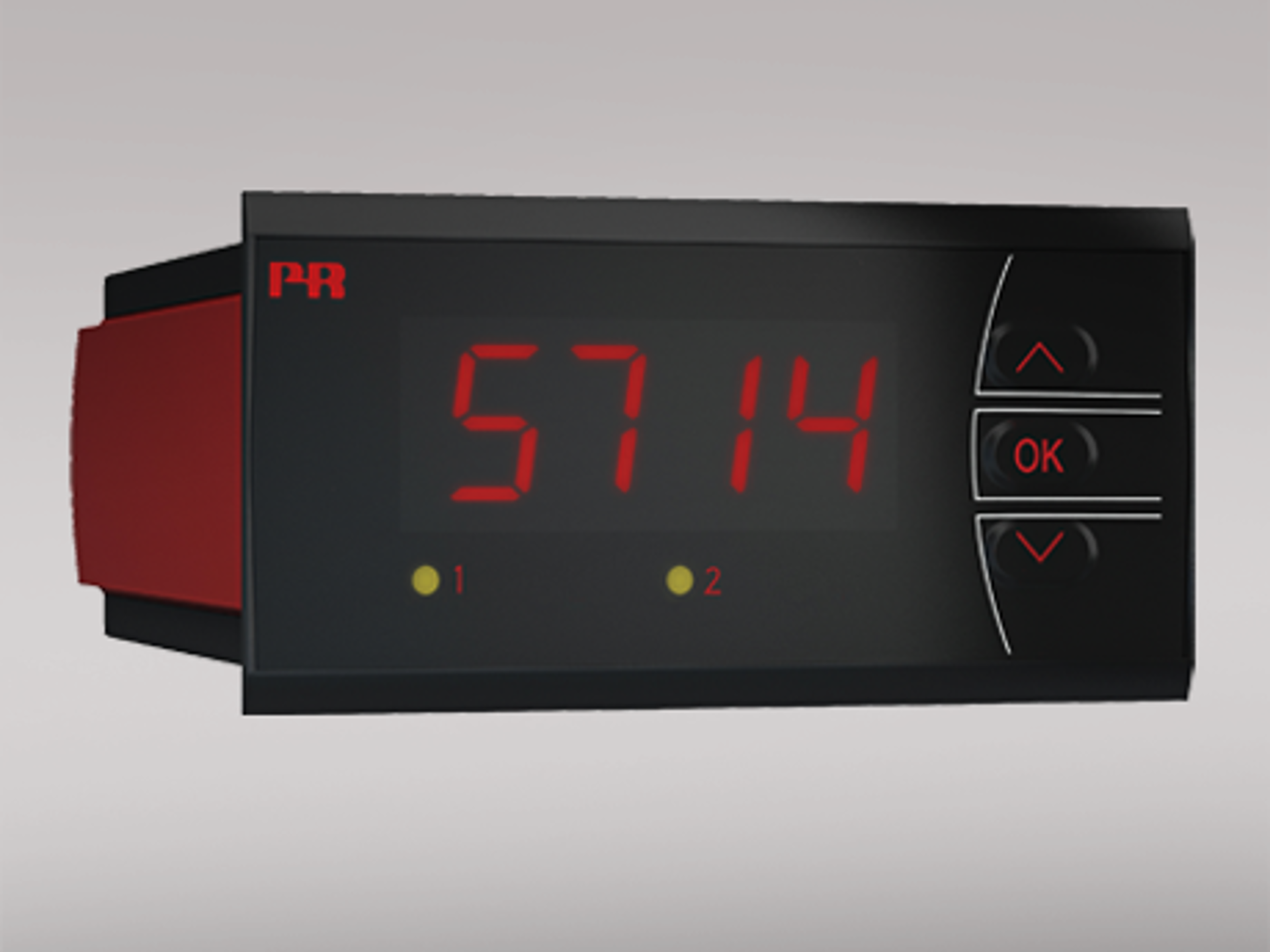
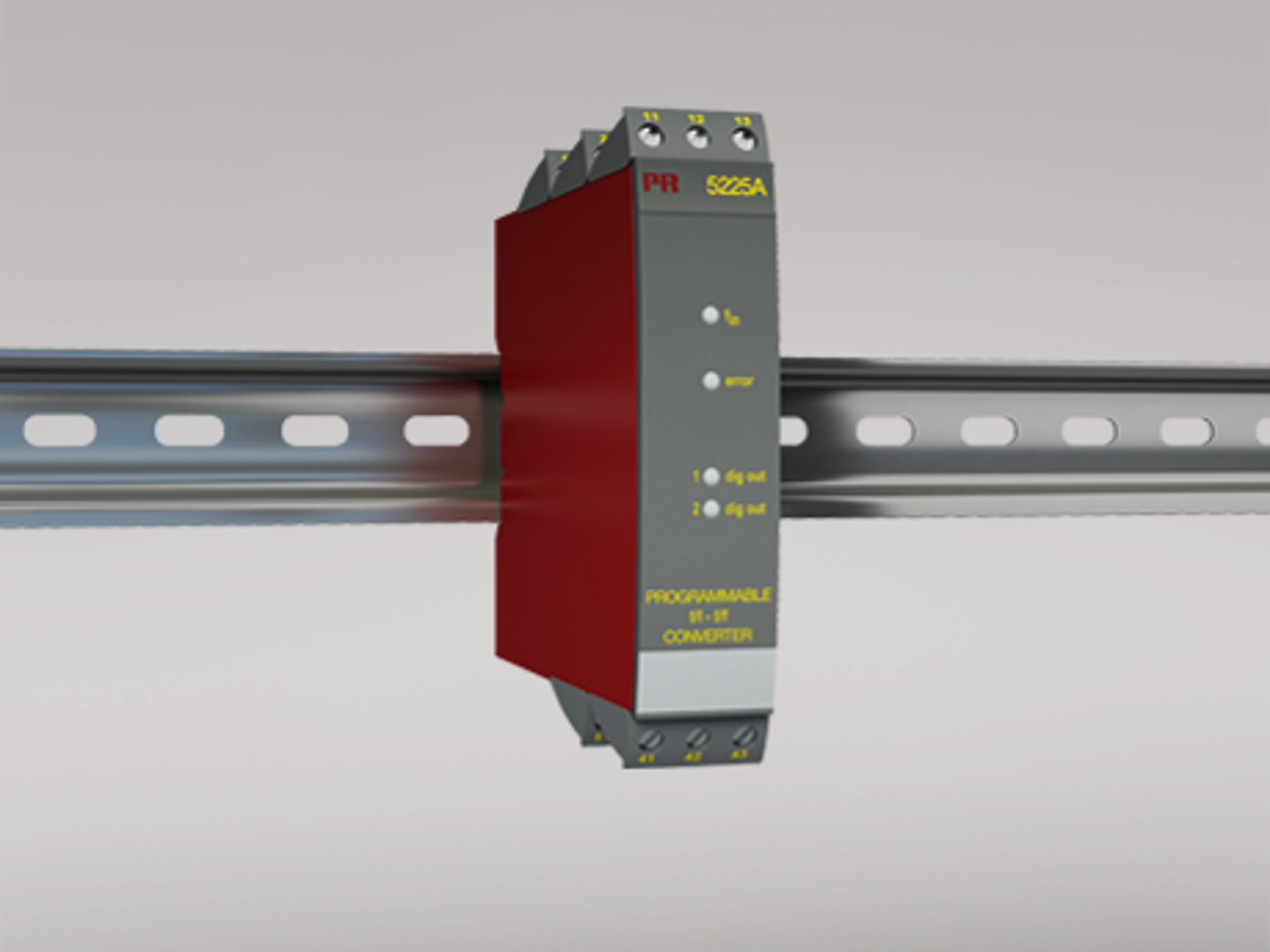
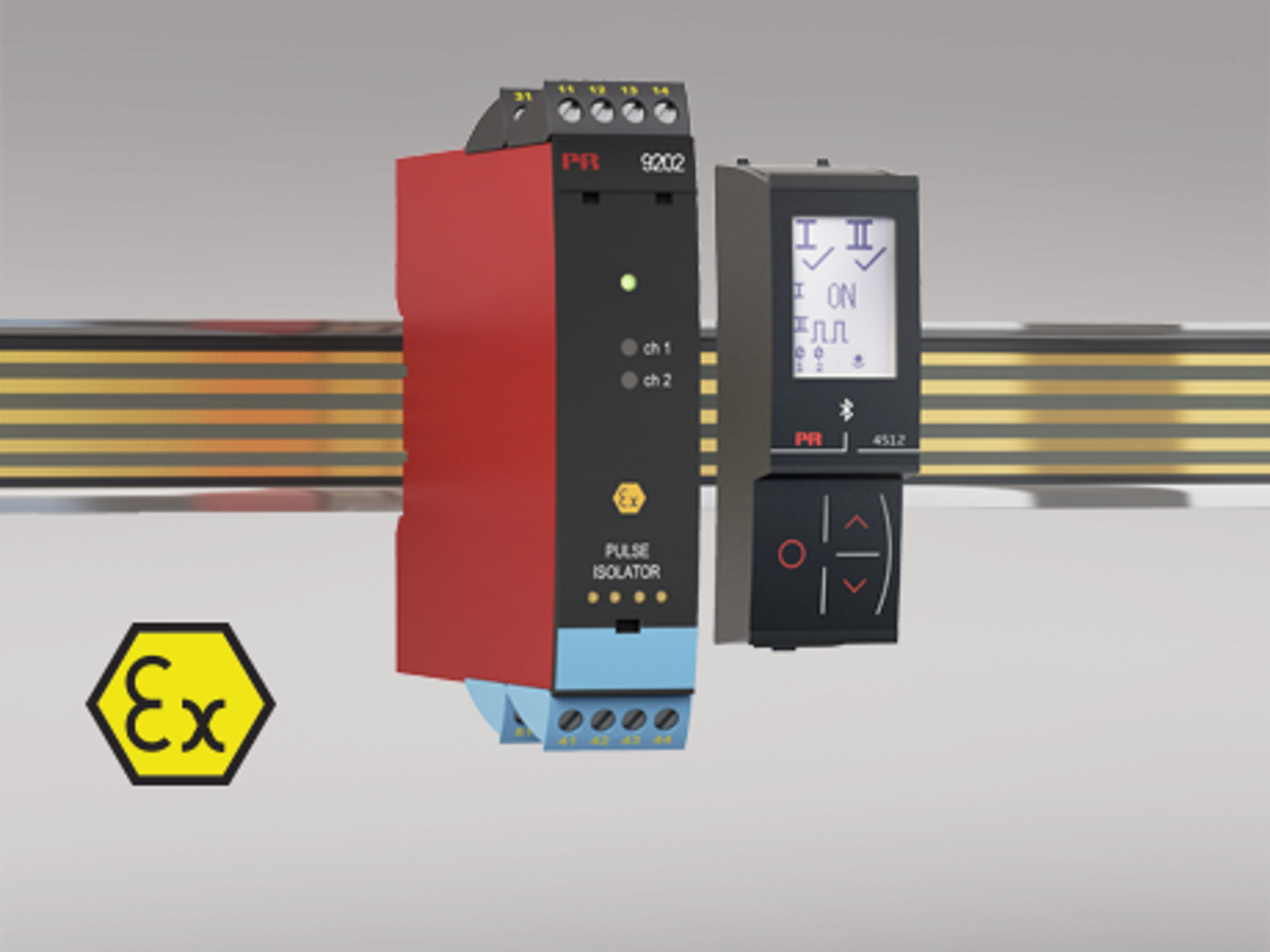
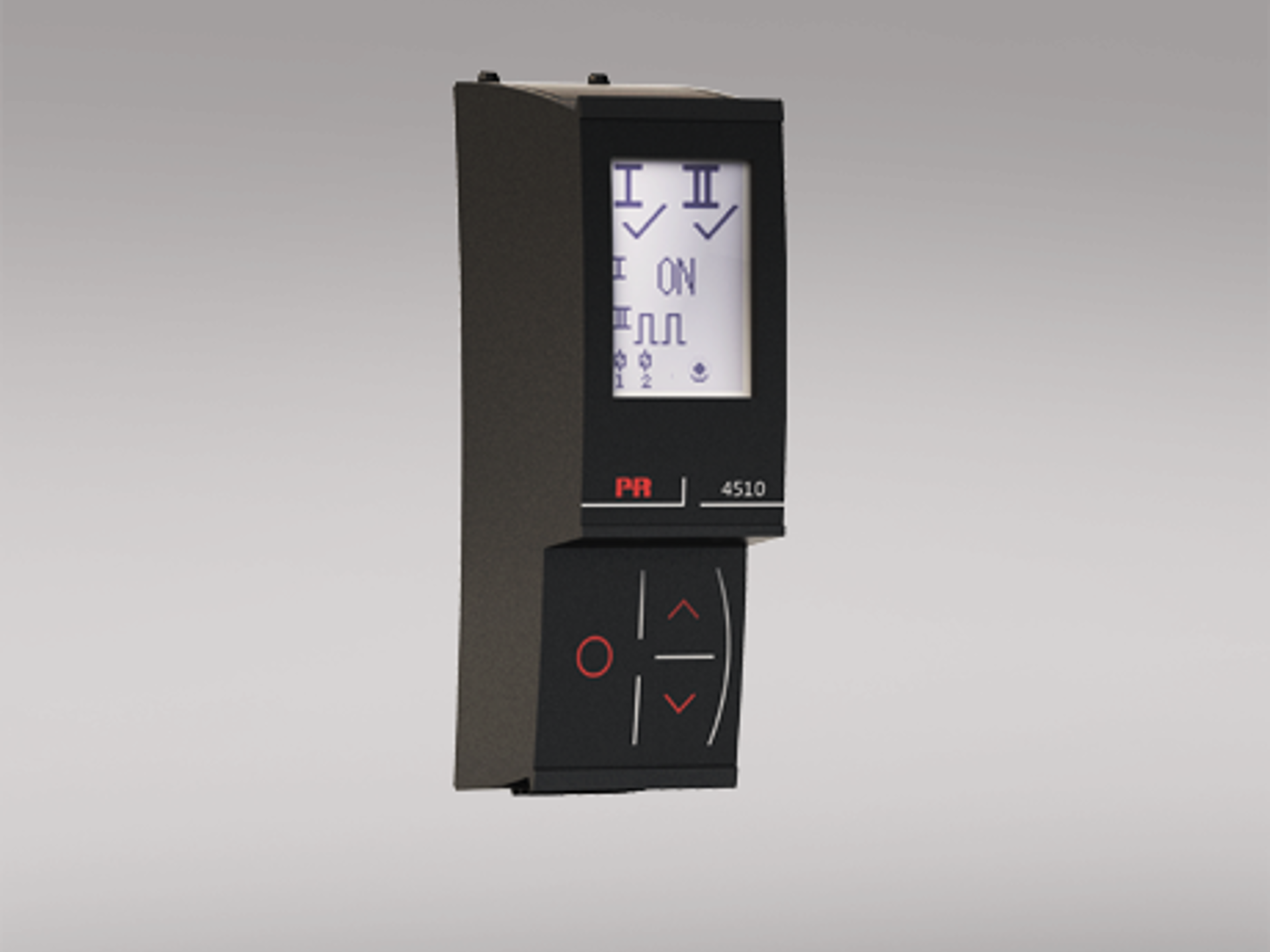
Want to discuss your project?
Our experts are ready to help you find the right fit for your application.
Contact us
How is signal conditioning used in water and wastewater treatment facilities?
Water and wastewater treatment plants use signal conditioning to isolate, convert, and distribute measurement signals from flow meters, level transmitters, pH sensors, dissolved oxygen probes, and turbidity analyzers throughout the treatment process. PR Electronics devices such as the PR 9116A Universal Converter and PR 4116 Universal Transmitter provide galvanic isolation to prevent ground loops between distributed instruments and the centralized PLC/SCADA system, ensuring accurate process control for compliance with drinking water and effluent discharge standards.
What PR Electronics products are commonly used in water treatment plant instrumentation?
The most commonly deployed products include the PR 9116A Universal Converter for SIL-rated multi-input signal conditioning, the PR 3108 Isolated Splitter for feeding one sensor to both process control and regulatory monitoring systems, the PR 4116 Universal Transmitter for versatile signal conversion with alarm relay outputs, and the PR 3103 Isolated Repeater for simple 1:1 signal isolation in high channel count installations. The PR 4511 Communication Enabler adds Modbus RTU connectivity for integration with modern SCADA platforms.
Why do water treatment facilities need signal splitting between process control and compliance monitoring?
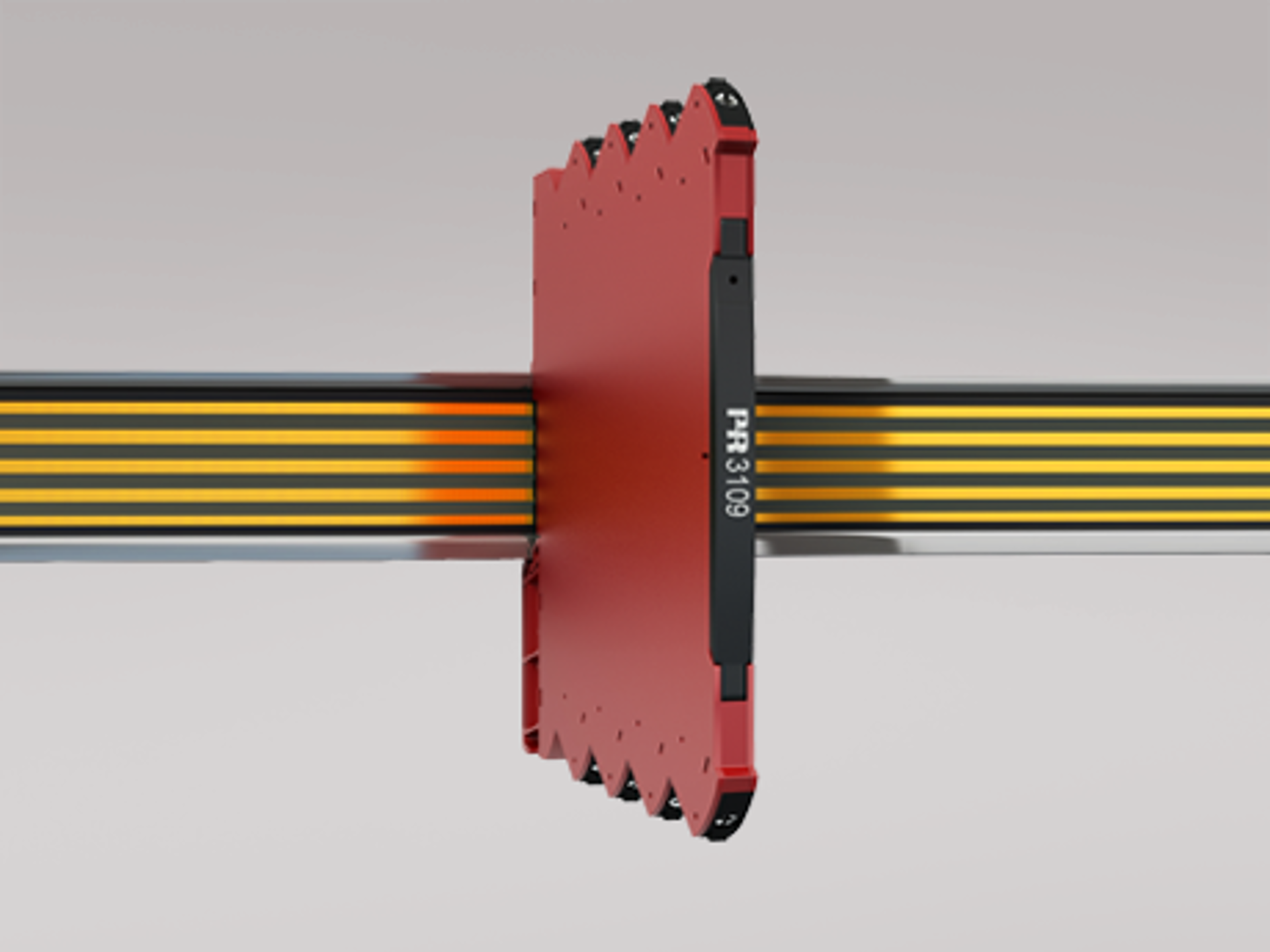
Environmental regulations require independent monitoring of treated water quality and effluent discharge parameters. The PR 3108 and PR 3109 Isolated Splitters take a single sensor signal (e.g., from a flow meter or pH probe) and produce two electrically isolated outputs — one for the plant's process control system and one for the regulatory compliance monitoring system. This eliminates the cost of duplicate sensors while ensuring complete electrical independence between the two monitoring systems, satisfying regulatory requirements for data integrity.